Public transit operators everywhere are under the same pressure: move more passengers, collect fares accurately, and do it with hardware that won't fail after two years on a dusty, vibrating dashboard. That pressure is why the market for a reliable bus validator manufacturer has shifted so sharply toward Android-based platforms over the last few years. Linux boxes and MCU terminals still exist, but they're increasingly the fallback option rather than the first choice for new fare collection projects.
This article walks through what a bus validator actually does, why Android has become the dominant platform for fare collection terminals, what to look for in a validator's feature set, and how OEM/ODM manufacturing works when you need a custom solution rather than an off-the-shelf box.
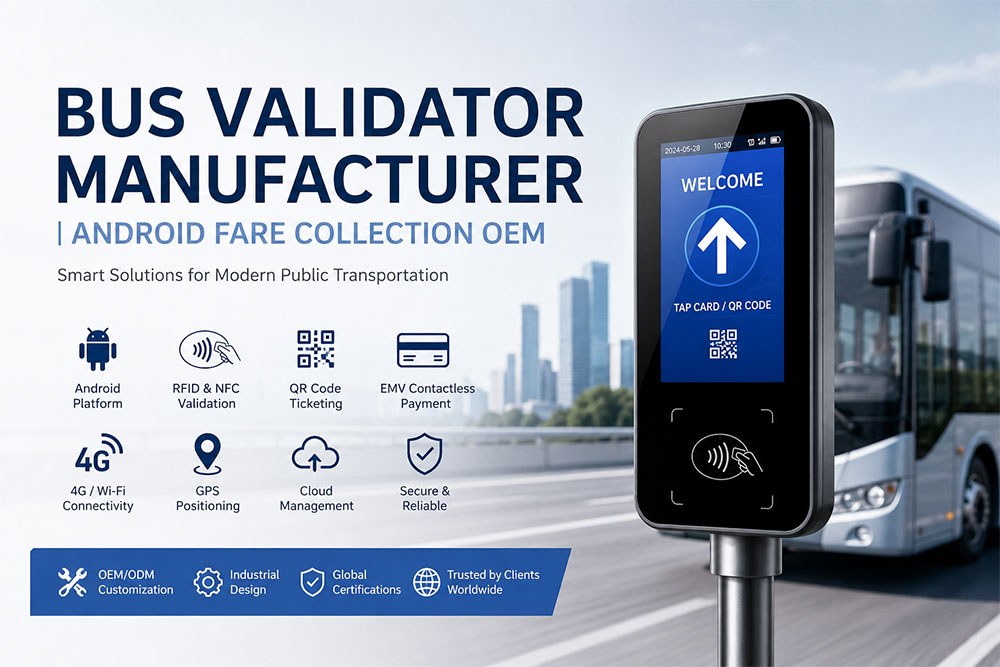
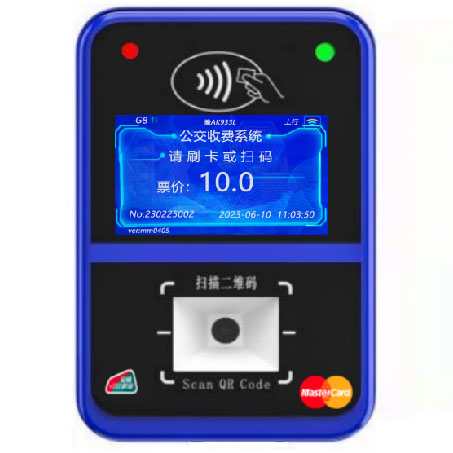
A bus validator is the terminal mounted near the entrance of a bus, tram, or shuttle that authenticates a passenger's fare — whether that's an RFID transit card, a QR code ticket, a bank card, or a mobile wallet. The device reads the credential, checks it against a local or cloud-based rules engine (balance, blacklist, route validity, time window), and either approves or rejects the ride in under a second.
https://www.yunblaze.com/Product/industrial-android-access-control-ticketing.html
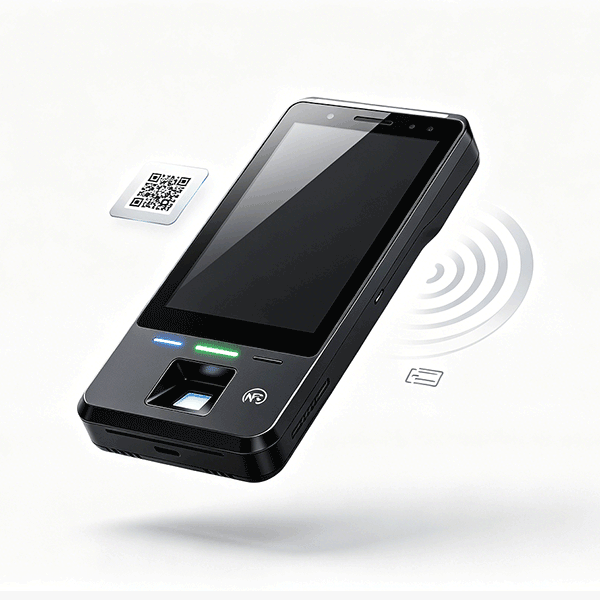
Underneath that simple interaction sits a fairly complex stack: a card reader, a display, often a camera or scanner for QR/barcode tickets, a communication module for real-time data sync, and — increasingly — GPS for route and fleet tracking. Older validator designs ran this stack on proprietary firmware or a stripped-down Linux kernel, which worked fine for single-function card validation but became a bottleneck the moment operators wanted to add mobile ticketing, EMV payments, or third-party app integrations.
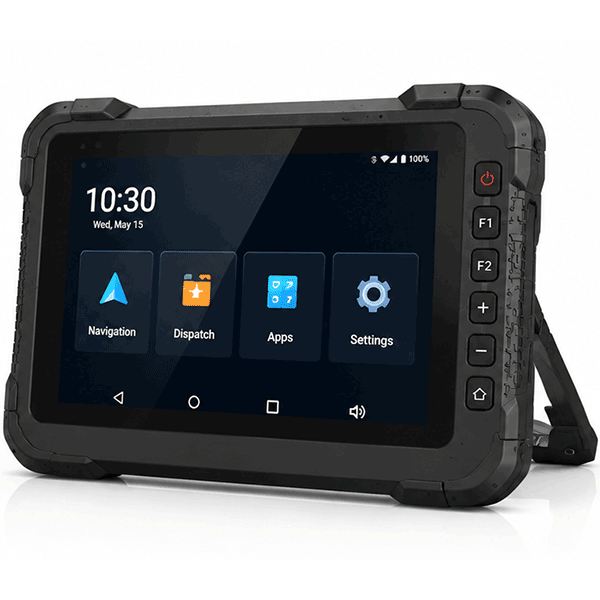
That's the gap an Android bus validator closes. Because Android is a full application platform rather than a fixed-function embedded OS, a single device can validate a physical card today and support a QR-code mobile pass next month, all through a software update rather than a hardware swap. This is also why the category is sometimes described as a bus validator & fare collection terminal rather than just a card reader — the terminal has become the central hub of the fare collection system, not a peripheral to it.
For cities and transit authorities running Bus Rapid Transit (BRT) corridors, school bus networks, or mixed fare-zone systems, this flexibility isn't a nice-to-have. It's what makes multi-modal fare integration possible in the first place.
The shift toward Android in fare collection hardware isn't a trend chasing novelty — it solves practical problems that Linux and MCU-based validators struggle with.
Open platform, faster integration. Android's SDK ecosystem is something most software teams already know. A transit authority's IT department, or a third-party ticketing vendor, doesn't need to learn a proprietary firmware toolchain to build an app for the terminal. That alone can cut months off a deployment timeline.
Remote fleet management. Once a validator is Android-based and connected over 4G or WiFi, it can be managed the same way a fleet of tablets would be — pushed configuration changes, monitored for uptime, and updated without a technician ever touching the vehicle.
OTA upgrades without a truck roll. For an operator running hundreds of buses across a city, sending a technician to manually flash firmware on every unit is a logistics nightmare. Over-the-air updates mean a bug fix or a new fare rule can roll out to the entire fleet overnight.
Multi-language support out of the box. Cities with diverse ridership — tourist routes, university shuttles, international airports — need interfaces that switch languages without a hardware redesign. Android handles this natively.
Third-party API and payment integration. Whether it's connecting to a city's unified transit card backend, a bank's EMV processing gateway, or a mobility-as-a-service app, Android's API layer makes these integrations dramatically simpler than trying to bolt them onto closed embedded firmware.
Lower long-term development cost. Because so much of the software layer is standard Android, custom development work focuses on the parts that actually differentiate a project — UI, business logic, backend integration — rather than reinventing driver-level code for every new function.
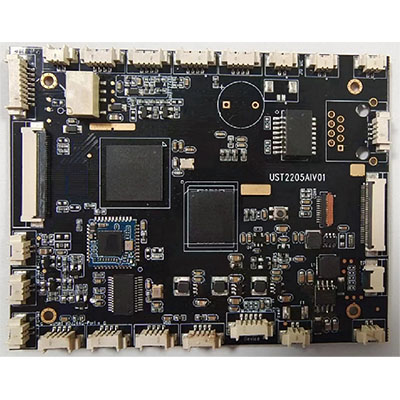
At YunBlaze, this is the layer we specialize in: building industrial Android bus validator platforms where the mainboard, OS customization, and application layer are designed to work together from day one, rather than stitched together after the fact.
Specs sheets can make every validator look similar. What separates a validator that survives five years of daily service from one that needs replacing after eighteen months usually comes down to a handful of functional details.
Most transit systems still run on contactless card infrastructure, so RFID reading remains the core function of any RFID bus validator manufacturer's product line. A solid validator supports ISO14443 Type A/B tags, reads Mifare Classic and CPU cards, and handles both MIFARE and DESFire formats without a noticeable delay at the point of tap. Read distance matters less than consistency — a validator that reads reliably at 0-50mm every single time beats one with a longer nominal range but occasional misreads during rush hour.
Mobile ticketing has moved from "nice to have" to standard expectation, especially for tourist buses, airport shuttles, and app-based mobility services. A validator needs to handle both dynamic QR codes (generated per-ride through an app) and static printed tickets, with a scanning module wide enough in angle to catch a phone screen held at an awkward tilt by a rushing commuter. Scan distance in the 3-15cm range, paired with a wide-angle or customizable scanning module, covers the vast majority of real-world ticket presentation scenarios.
Open-loop payment — tapping a bank card or a phone wallet directly instead of a dedicated transit card — is becoming standard in major metro systems. Supporting Visa, Mastercard, Apple Pay, and Google Pay through EMV-certified hardware turns a bus payment validator OEM product into something that fits both closed-loop transit card systems and open payment networks, which matters increasingly for operators trying to reduce the friction of first-time or occasional riders.
Positioning and connectivity aren't just for fare validation — they feed fleet management directly. GPS (with Beidou and optional GLONASS support) tracks route compliance and vehicle location in real time, while 4G connectivity keeps the terminal synced with a central server for blacklist updates, balance checks, and transaction uploads. When cellular coverage is inconsistent, USB or local data collection provides a fallback so no transaction data gets lost.
A 5-inch TFT-LCD display with clear indicator lighting (typically red/green for pass/fail status) does more than confirm a transaction — it reduces disputes at the point of boarding and gives drivers a quick visual on system status. Add voice prompts for accessibility and multi-language UI support, and the terminal becomes usable across a genuinely diverse rider base without additional signage.
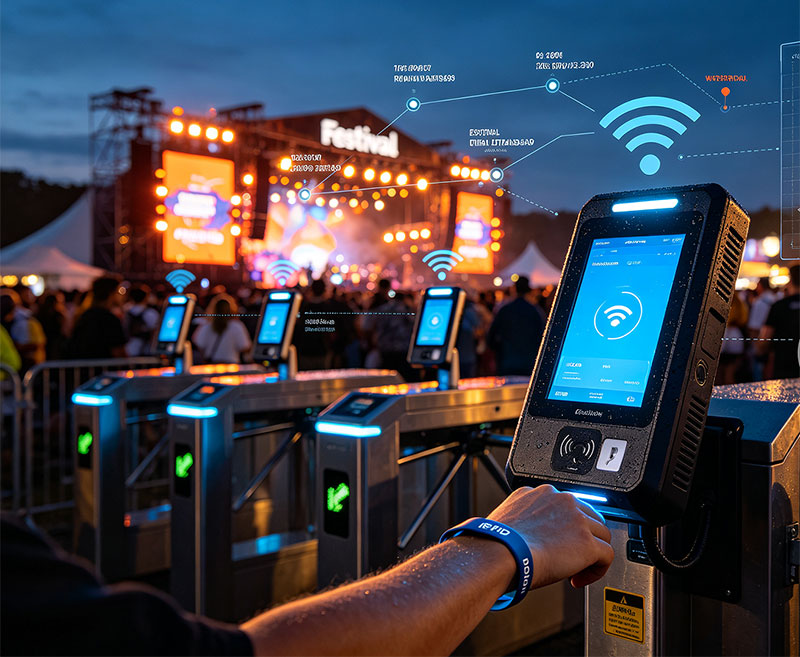
Buying a validator off a catalog page works for a pilot project. Running a citywide fare collection rollout usually surfaces requirements that no generic product fully satisfies — which is where OEM and ODM development comes in.
Depending on the deployment environment and fare model, hardware requirements shift. A validator built for a school bus safety program has different priorities than one built for an airport shuttle or a scenic-area ticketing kiosk. Customization options typically include:
The Android layer is where most of the differentiation actually happens:
Vehicle-mounted electronics face a rougher environment than almost any other embedded device category — vibration, temperature swings, humidity, and constant handling. Mechanical customization covers mold and housing design, waterproofing, and IP rating appropriate to the mounting location (interior versus semi-exposed entry points).
For any device handling payment data or deployed across international markets, certification isn't optional. A properly engineered custom bus validator manufacturer partner should be able to support CE, FCC, RoHS compliance as standard, with EMV and PCI certification pathways available for projects involving direct card payment processing.
The same core hardware platform, with different software and mechanical configurations, ends up serving a surprisingly wide range of transit and mobility scenarios:
City Bus Networks — the largest deployment category, where a bus fare validator manufacturer's product needs to handle high daily transaction volume, mixed fare types, and integration with a citywide transit card system.
BRT (Bus Rapid Transit) Systems — high-frequency routes with tighter dwell-time requirements, where validation speed and reliability directly affect boarding efficiency.
School Bus Safety Systems — validation here often ties into attendance tracking and parent notification, layering safety functionality on top of standard fare or access control logic.
Airport Shuttle Services — frequently multilingual rider bases and higher expectations around QR/mobile ticket support for international travelers.
Corporate and Employee Shuttle Programs — closed-loop card systems where validation ties into HR or access-control databases rather than public fare collection.
Tourist Bus Operations — often benefit from multi-language displays and flexible payment acceptance, including open-loop EMV payment for one-time riders who won't buy a dedicated transit card.
Broader Smart Public Transportation Initiatives — where fare validators become one node in a larger connected system spanning fleet management, real-time passenger information, and centralized data platforms.
Sourcing from a China bus validator manufacturer remains, for most transit projects globally, the practical path to balancing cost, quality, and delivery speed — provided the manufacturer has genuine engineering depth rather than just assembly capability.
The advantages are structural rather than accidental. China's electronics supply chain, concentrated heavily around Shenzhen, means component sourcing, PCB fabrication, and mechanical tooling all sit within a tight geographic radius, which shortens both prototyping cycles and mass production lead times. Manufacturers with real OEM experience — as opposed to pure contract assemblers — bring accumulated knowledge from dozens of prior transit and payment terminal projects, which shows up as fewer field failures and faster problem-solving when something in a deployment doesn't go as planned.
Flexible MOQ support matters more than it might seem on paper. A transit authority piloting a new fare system in a handful of buses shouldn't be forced into a production run sized for a citywide rollout. And fast R&D turnaround — the ability to go from a customization request to a working prototype in weeks rather than quarters — is often the deciding factor between hitting a project's launch window and missing it.
YunBlaze Technologies has spent over 15 years building Android embedded systems and intelligent hardware platforms, and fare collection terminals sit squarely within that specialization rather than at the edge of it.
What sets our approach apart from a typical PCBA supplier is scope. We're not assembling boards to a third party's design — we develop the Android mainboard architecture, embedded hardware, industrial design, and application software as an integrated process, which means customization requests don't get stuck in translation between separate vendors handling different parts of the stack.
That capability set includes:
Our smart bus validator platform, built on Android 13 and a quad-core Cortex-A53 processor, is engineered around exactly the requirements transit operators run into in the field: reliable RFID and QR validation, GPS and 4G connectivity for real-time fleet data, industrial-grade operating temperature tolerance (-25°C to 65°C), and a fully open software layer for third-party integration. Whether the deployment calls for a standard configuration or a fully customized OEM build, our engineering process is built to support both.
What is a bus validator? A bus validator is a terminal installed on public transport vehicles that reads and authenticates passenger fare credentials — transit cards, QR tickets, or contactless bank cards — and approves or denies boarding based on account balance, blacklist status, or fare rules.
What payment methods does your bus validator support? Our terminals support RFID card validation (ISO14443 Type A/B, Mifare Classic, CPU cards), QR code and barcode ticket scanning (both dynamic and static formats), and EMV contactless payment including Visa, Mastercard, Apple Pay, and Google Pay.
Can you customize the Android software for our transit system? Yes. We provide full Android OS customization, custom application development, SDK access, and API integration so the terminal can connect directly to your existing fare management or ticketing backend.
Do you provide SDK and API access for third-party integration? Yes, our platform is designed for open integration, allowing transit authorities or third-party ticketing vendors to build and deploy their own applications on the terminal.
Can your validator support RFID and QR code validation simultaneously? Yes, the terminal handles both RFID and QR/barcode validation in a single device, along with EMV payment support, so operators aren't locked into a single fare medium.
Is your device suitable for outdoor or high-vibration vehicle environments? Yes. The unit is rated for operating temperatures from -25°C to 65°C and 0–90% non-condensing humidity, with a durable engineering plastic housing designed for continuous vehicle-mounted use.
Do you offer OEM and ODM services for custom validator designs? Yes, we provide complete OEM/ODM services covering hardware customization, mechanical design, software development, and certification support for transit and payment terminal projects.
What certifications are available for your bus validator products? We support CE, FCC, and RoHS compliance as standard, with EMV and PCI certification pathways available for projects requiring direct payment card processing.
How long is the typical production lead time? Lead time depends on the level of customization involved — standard configurations move faster, while projects with custom hardware, mechanical tooling, or certification requirements take longer. We can provide a specific timeline once we understand your project scope.
What connectivity options does the validator support? The terminal includes 4G (2G/3G/4G optional), WiFi 802.11 a/b/g/n/ac, Bluetooth 5.0 BLE, and GPS/Beidou positioning, with optional GLONASS and Ethernet support for fixed installations.
If you're evaluating a fare collection upgrade, launching a new BRT line, or sourcing a bus validator manufacturer for a multi-city rollout, our engineering team can walk through the specifics of your project — hardware customization, SDK support, sample evaluation, certification requirements, and production timelines for both pilot batches and mass production.
As a custom bus validator manufacturer with deep experience in Android embedded hardware, we work with transit authorities, systems integrators, and payment technology companies worldwide to move fare collection projects from concept to deployed fleet — with global shipping and support at every stage.
Get in touch with our team to discuss your bus validator project, or explore our full smart terminal OEM/ODM manufacturing services to see how we support intelligent hardware development beyond transit fare collection.