Anyone who has managed a venue with mixed admission methods knows the headache. Some visitors buy a paper ticket with a QR code. Others wear an RFID wristband for the whole festival. Staff members carry NFC badges. If your gate hardware can only handle one of these, you end up with three lanes, three vendors, and three support contracts to manage instead of one.
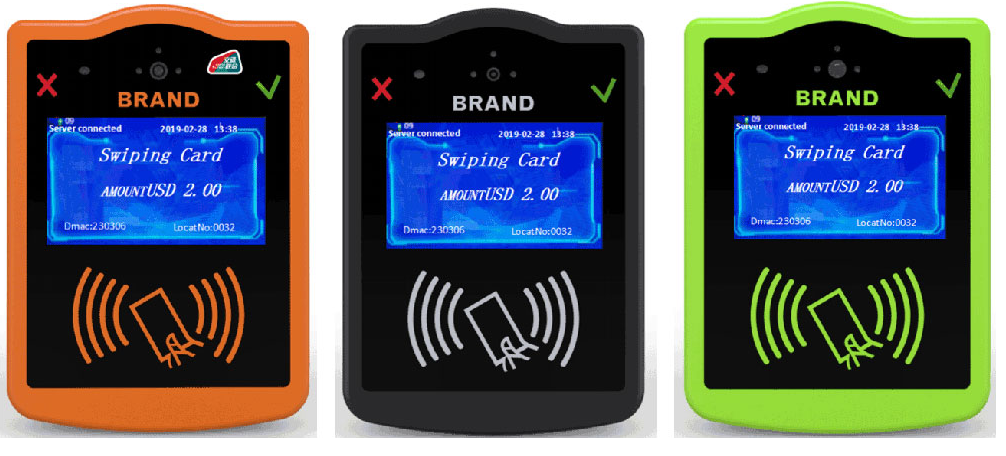
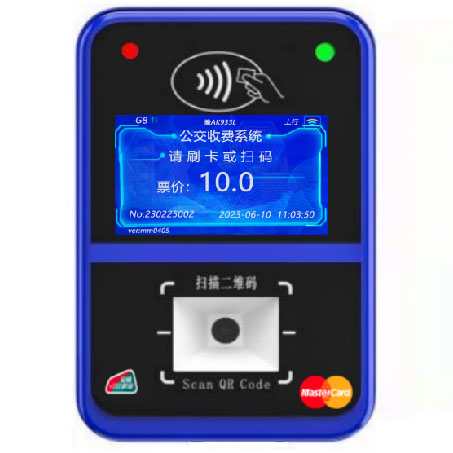
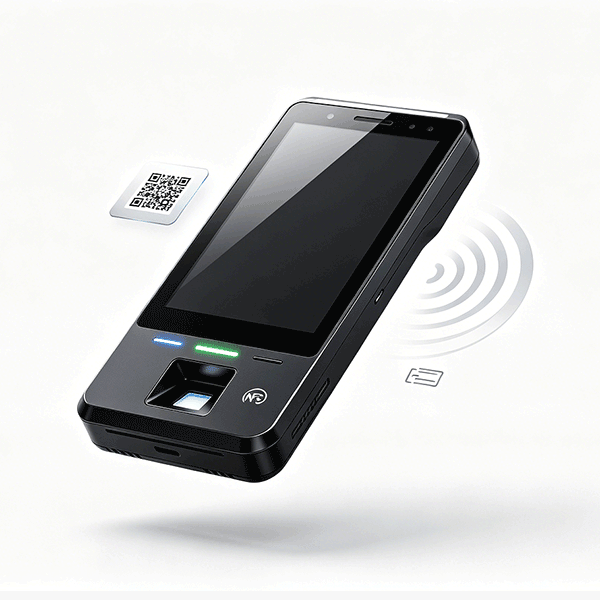
This is exactly the problem that pushed a lot of operators — theme parks, water parks, gyms, business parks, transit stations — toward a single piece of hardware: an Android ticket validator that also works as an RFID wristband reader, without needing a separate box bolted on the side of the turnstile.
A ticket validator sounds like a simple device — scan something, open a gate, log an entry. But the moment a venue wants seasonal promotions, a new membership tier, or a change in how refunds are handled, a closed-firmware scanner becomes a liability. Every change means calling the manufacturer and waiting for a firmware update that may or may not arrive before the busy season starts.
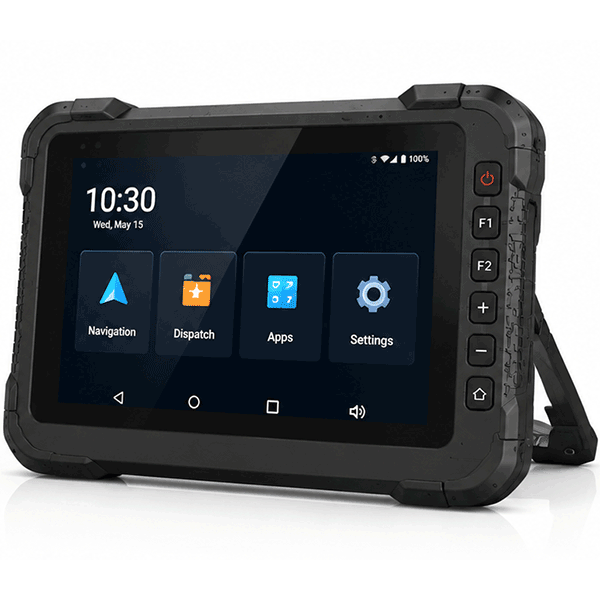
Running on Android changes that equation. The terminal becomes a small, purpose-built computer rather than a fixed-function scanner. Operators can push their own app, adjust validation rules, connect to their existing ticketing backend over Wi-Fi or 4G, and update the interface without touching the hardware at all. For IT teams that already manage Android devices elsewhere in the business, this also means one less operating system to learn.
QR codes work well when someone is holding a phone or a printed slip. They work less well at a water park, a spa, a gym, or a multi-day festival where guests don't want to carry a phone at all — or where a wet phone screen simply won't scan.
That's where the RFID wristband reader function earns its place. A wristband survives water, sweat, and repeated re-entries far better than paper or a screen. Guests tap the wristband against the reader, the gate opens, and the system logs the entry instantly. For cashless spending at bars, food stalls, or rental counters inside the same venue, the same wristband can double as a payment token — no extra device needed at the point of sale.
Combining RFID with NFC and QR reading in a single unit means a venue doesn't have to choose one credential type and force every visitor into it. Season pass holders can use a card, day guests can use a QR ticket, and wristband holders get the same fast tap-and-go experience — all through the same terminal.
A terminal built for this job tends to share a few practical traits, regardless of who manufactures it:
None of this is exotic technology. What matters is that it's packaged into one device instead of three, and that the software behind it can be adjusted as the venue's needs change.
The same core hardware shows up in more places than people usually assume:
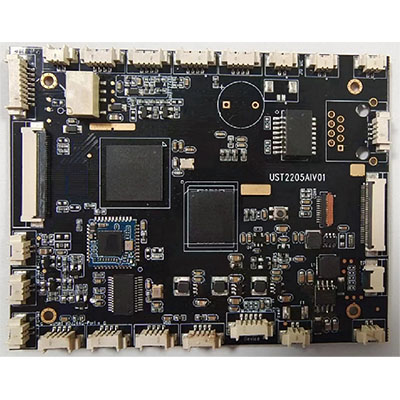
This is the category of hardware YunBlaze Technologies builds for. Based in Shenzhen and working in Industrial Android mainboard development and embedded hardware design for more than 15 years, the company designs these terminals from the mainboard up rather than assembling them from a generic PCBA template.
The access control and ticketing terminal itself follows the layout described above: a 10–15 inch industrial touchscreen, an Android system open to secondary development, NFC/RFID/QR recognition in one housing, an integrated bottom QR window, an LED status indicator, and a metal shell built to handle outdoor and high-frequency public use. It installs either on a floor stand or embedded directly into a turnstile, which covers most of the layouts operators actually deal with in the field.
Because YunBlaze runs Industrial Android Mainboard Customization alongside full OEM/ODM manufacturing, a venue operator or ticketing platform isn't limited to a fixed spec sheet. The Android OS, the UI, the housing, and even the logo can be adapted to match a brand or an existing backend system, with low MOQ support for teams that want to pilot the hardware before committing to a large rollout. The same engineering team that builds these access terminals also works on related smart payment devices, so integrating ticket validation with cashless spending isn't an afterthought — it's built on shared hardware experience.
The venues that get the least support headaches aren't the ones with the fanciest gates — they're the ones that picked hardware flexible enough to grow with their ticketing system instead of fighting it. An Android-based terminal that reads RFID wristbands, NFC cards, and QR codes from one unit removes the need to run parallel hardware for parallel credential types, and it gives IT teams a device they can actually update rather than replace.
For operators evaluating this kind of upgrade, it's worth asking any supplier two direct questions: can the software be customized without a factory-level engagement, and can the hardware be adapted if the venue's credential mix changes next year. Those two answers usually say more about long-term cost than the spec sheet does.