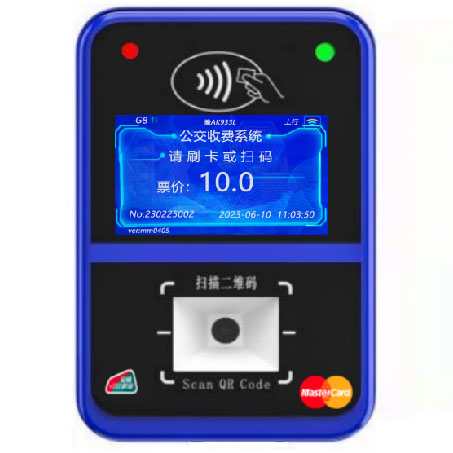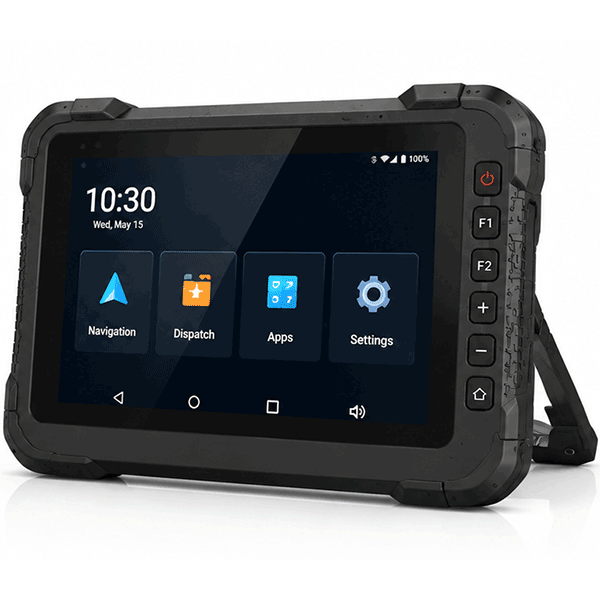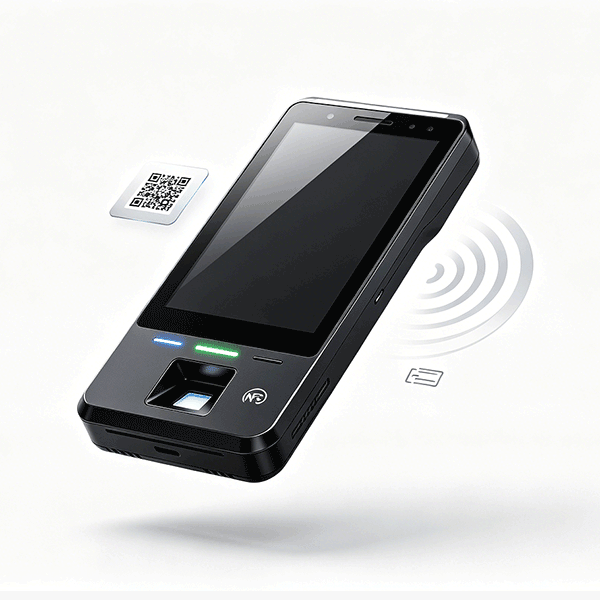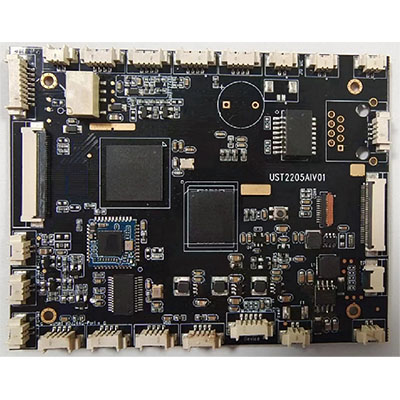
The rapid convergence of Artificial Intelligence (AI) and the Internet of Things (IoT) is reshaping industries around the world. From smart payment terminals and self-service kiosks to industrial automation systems, healthcare devices, and intelligent transportation equipment, organizations are increasingly deploying AIoT Smart Terminals to improve efficiency, automation, and decision-making.
As businesses seek faster product development cycles and lower engineering costs, partnering with an experienced AIoT Smart Terminal Manufacturer has become a strategic advantage.
In this guide, we explore how AIoT smart terminals are transforming industries and how OEM and ODM development services help companies bring intelligent products to market faster.
An AIoT Smart Terminal is an intelligent hardware device that combines Artificial Intelligence (AI), Internet of Things (IoT) connectivity, edge computing, sensors, and embedded operating systems into a single platform.
Unlike traditional IoT devices that simply collect and transmit data, AIoT terminals can process information locally, make intelligent decisions, and respond in real time.
Typical AIoT smart terminals include:
· Smart Payment Devices
· AI Cameras
· Self-Service Kiosks
· Medical Monitoring Systems
· Vehicle-Mounted Computers
· Industrial Control Terminals
· Smart Retail Equipment
· Warehouse Robotics Controllers
· Edge AI Gateways
By integrating AI and IoT technologies, these devices become more autonomous, efficient, and scalable.
The global AIoT market is expanding because businesses increasingly require intelligent devices capable of analyzing data closer to where it is generated.
Several factors are driving adoption:
Traditional cloud-based systems often introduce latency.
AIoT devices process information locally through Edge Computing, enabling immediate responses without depending entirely on cloud servers.
This capability is critical for:
· Industrial Automation
· Autonomous Robots
· Smart Transportation
· Security Monitoring
· Medical Equipment
Instead of continuously transmitting large amounts of raw data to the cloud, AIoT terminals can filter, analyze, and process data locally.
This significantly reduces network traffic and operating costs.
Sensitive information can remain within local devices, reducing exposure to cybersecurity risks and regulatory concerns.
Even when internet connectivity is unstable, AIoT smart terminals can continue operating independently.
Building a successful AIoT device requires the integration of several critical technologies.
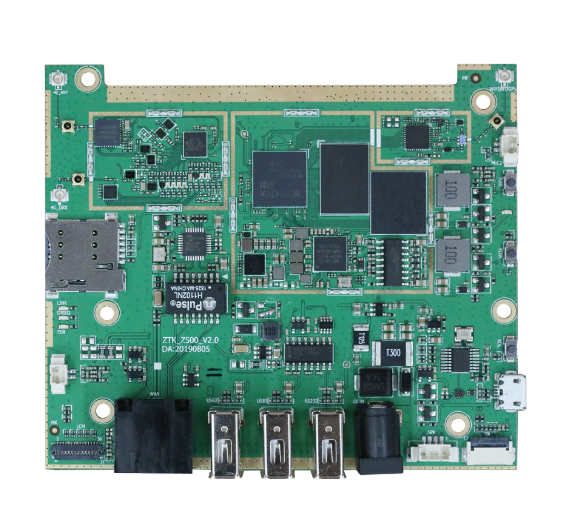
The Industrial Android Mainboard serves as the hardware foundation of the entire system.
Modern AIoT devices often utilize platforms such as:
· RK3568
· RK3576
· RK3588
· MediaTek Solutions
· Unisoc Platforms
These processors provide the computing power necessary for edge intelligence and device control.
AI processing modules enable:
· Facial Recognition
· Object Detection
· Behavior Analysis
· Voice Recognition
· Predictive Maintenance
By embedding AI capabilities directly into hardware, devices can respond faster and operate more efficiently.
Reliable communication is essential.
Common connectivity options include:
· Wi-Fi
· Bluetooth
· Ethernet
· 4G LTE
· 5G
· GPS
· NFC
· LoRa
· RS232 / RS485
AIoT terminals collect information through various sensors such as:
· Cameras
· Temperature Sensors
· Motion Sensors
· RFID Readers
· Touch Screens
· Environmental Sensors
These data sources provide the intelligence needed for automated decision-making.
The versatility of AIoT technology allows deployment across numerous industries.
Retail businesses use AIoT terminals for:
· Self-Checkout Systems
· Smart Shelves
· Customer Analytics
· Digital Signage
· Automated Inventory Management
These technologies improve customer experiences while reducing labor costs.
Healthcare providers increasingly deploy AIoT devices for:
· Remote Patient Monitoring
· Nursing Terminals
· Medical Control Systems
· Telemedicine Equipment
· Smart Hospital Infrastructure
AI-enabled healthcare devices help improve efficiency and patient care.
Transportation operators use AIoT terminals for:
· Fleet Management
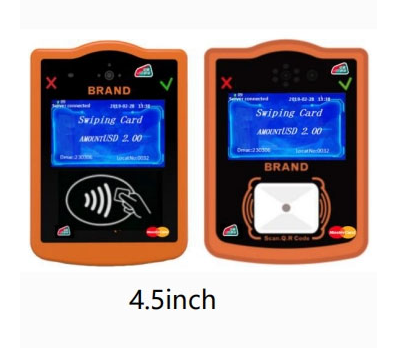
· Fare Collection Systems
· GPS Tracking
· Vehicle Diagnostics
· Driver Monitoring
These systems improve operational efficiency and safety.
Industrial facilities deploy AIoT platforms to support:
· Predictive Maintenance
· Machine Monitoring
· Production Tracking
· Industrial Automation
· MES Integration
This enables factories to improve productivity while reducing downtime.
AGV and AMR robots rely on AIoT controllers for:
· Navigation
· Task Scheduling
· Obstacle Avoidance
· Fleet Coordination
· Real-Time Monitoring
AIoT technologies are becoming essential for modern logistics operations.
Android has become one of the most popular operating systems for AIoT hardware development.
Developers can leverage a large ecosystem of tools, SDKs, and software resources.
Android enables highly customizable interfaces tailored to specific industry applications.
Android platforms support multiple communication standards required by modern AIoT devices.
Compared with proprietary embedded systems, Android-based solutions often reduce development costs and accelerate product launches.
Android platforms can support projects ranging from simple smart terminals to advanced AI edge computing devices.
Many companies face the challenge of building intelligent hardware without extensive in-house engineering resources.
Working with an OEM or ODM manufacturer offers several advantages.
Existing hardware platforms significantly shorten development cycles.
Experienced development teams can avoid costly design mistakes and technical delays.
Shared development resources help reduce overall project investment.
Manufacturers can customize:
· PCB Design
· Android Operating System
· UI/UX Interface
· Industrial Design
· Connectivity Modules
· Mechanical Structure
· Branding and Logo Integration
This allows businesses to create differentiated products while leveraging proven technology platforms.
At YunBlaze Technologies, we help customers accelerate intelligent device development through comprehensive OEM and ODM services.
Our expertise includes:
· Industrial Android Mainboard Development
· Embedded Hardware Design
· AI Edge Computing Platforms
· Smart Payment Devices
· Vehicle-Mounted Terminals
· Medical Equipment Platforms
· AGV and Robotics Controllers
· Industrial Automation Solutions
From concept and prototyping to mass production, our engineering team provides end-to-end support for AIoT product development.
By combining industrial-grade hardware, Android platform expertise, and flexible customization capabilities, we help customers reduce development complexity and launch innovative products faster.
The next generation of AIoT devices will be driven by several emerging technologies.
More intelligence will move from the cloud to local devices.
Ultra-fast communication will enable real-time collaboration between devices.
AI-powered cameras will become increasingly common in retail, manufacturing, and transportation.
AIoT platforms will play a critical role in AGV and AMR development.
Voice recognition, facial recognition, and gesture control will become standard features in many smart terminals.
Companies that invest in AIoT technologies today will be better positioned to compete in tomorrow’s digital economy.
An AIoT Smart Terminal is an intelligent device that combines AI processing capabilities with IoT connectivity to collect, analyze, and respond to data in real time.
Common industries include retail, healthcare, transportation, manufacturing, logistics, education, and smart city infrastructure.
Android provides an open ecosystem, lower development costs, rich connectivity support, and flexible customization options.
IoT devices primarily collect and transmit data, while AIoT devices analyze data locally and make intelligent decisions through embedded AI technologies.
Depending on complexity, most projects require between 3 and 12 months from concept to mass production.
As Artificial Intelligence and IoT technologies continue to converge, AIoT Smart Terminals are becoming the backbone of intelligent industries. Whether deployed in retail, healthcare, transportation, manufacturing, or robotics, these devices provide the intelligence, connectivity, and automation needed for modern digital transformation.
For businesses seeking to develop innovative smart devices, partnering with an experienced AIoT Smart Terminal Manufacturer can dramatically reduce development time, lower costs, and accelerate market success.
The future belongs to intelligent hardware—and AIoT is leading the way.