Blog

Custom Smart Bus Fare Collection Machines

Views :
Update time : 2026/3/5 17:50:15


In an era of rapid urbanization and digital transformation, public transport systems worldwide are undergoing a profound shift toward intelligence and efficiency. Digitalizing public transport is no longer optional; it is a necessity driven by the growing demand for convenient, fast, and transparent travel experiences, alongside the operator's need to optimize operations and reduce costs. However, traditional manual fare collection methods have become a critical bottleneck, failing to keep pace with the evolving needs of modern cities.
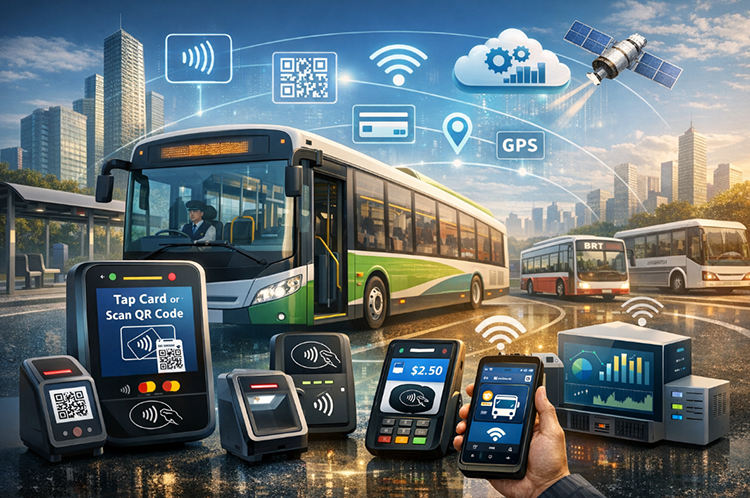

Smart Bus Fare Collection Machines: Custom OEM Solutions for Modern Public Transport


Traditional manual systems suffer from four core inefficiencies:

  1. Inefficiency: Passengers fumbling for cash or physical cards create long boarding queues, delaying schedules and frustrating commuters.
  2. Error-Prone: Human miscalculations lead to financial losses for operators and disputes with passengers.
  3. Cumbersome Management: Tracking cash flow, reconciling revenues, and managing records require excessive manual labor, increasing administrative costs.
  4. Data Blindness: Without real-time data on passenger flow and revenue, operators lack the insights needed to optimize routes or make data-driven decisions.


Against this backdrop, the Smart Bus Fare Collection System has emerged as a critical component of urban infrastructure. At its heart lies the Smart Bus Fare Collection Machine, a versatile device bridging passengers, operators, and the broader transport ecosystem. This article explores the core value, components, and applications of custom OEM (Original Equipment Manufacturer) solutions, guiding operators through their digital transformation journey.


Key Insight: A smart bus fare collection system is an integrated solution that automates fare collection using advanced technology. It supports multiple payment methods and real-time data synchronization to enhance operational efficiency. The core device—the fare validator—reads credentials (NFC, QR codes, mobile wallets), calculates fares instantly, and syncs transaction data to a backend system with minimal human intervention.


What is a Smart Bus Fare Collection Machine?

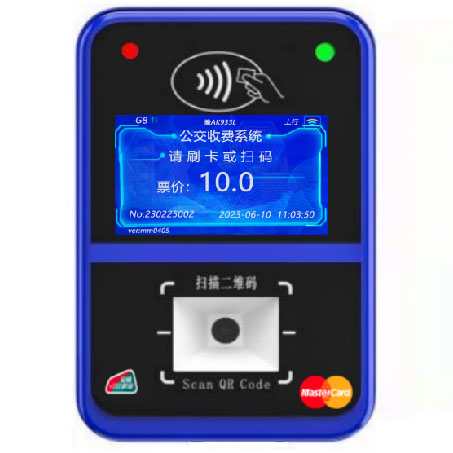
Also known as a bus fare validator, this specialized device automates the fare collection process on buses and other public transport vehicles. As a key component of an Automatic Fare Collection (AFC) system, it handles validation and data management without manual cash handling. Unlike legacy ticketing machines, modern smart validators are designed for versatility, user-friendliness, and seamless integration with digital payment ecosystems.

Core Capabilities

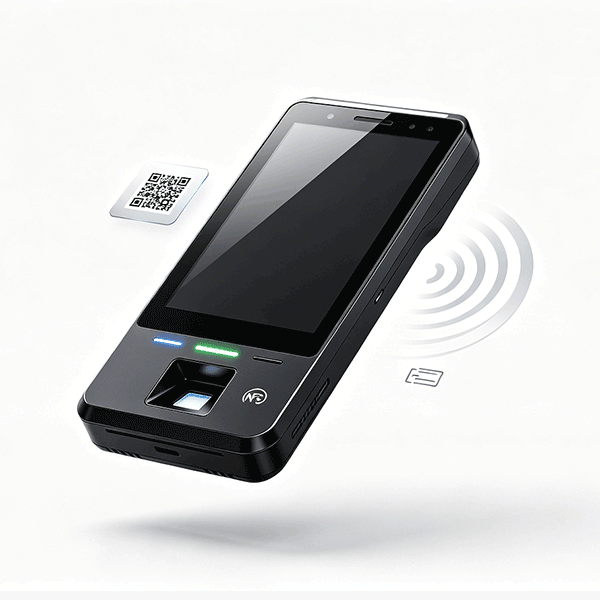
  1. Multi-Payment Method Support To cater to diverse passenger preferences, modern machines support a wide array of contactless options:
    • NFC: For mobile devices, wearables, and contactless bank cards (EMV-compliant).
    • QR Codes: Integration with mobile apps like WeChat, Alipay, or dedicated transit apps.
    • Mobile Wallets: Apple Pay, Google Pay, etc.
    • Smart Transport Cards: City-wide or regional transit cards.
    • Benefit: Eliminates the need for cash, reducing boarding time and improving the travel experience.
  2. Real-Time Data Synchronization The machine synchronizes data instantly with a backend management system, including:
    • Passenger Data: Boarding location, time, and payment method.
    • Revenue Data: Daily, hourly, or route-specific earnings.
    • Route Statistics: Passenger flow per stop and peak travel times.
    • Benefit: Enables operators to make quick adjustments to routes and staffing while eliminating manual data entry errors.
  3. Backend Management System Integration Fully integrated with a central platform (the "brain" of the AFC system), operators can:
    • View real-time and historical operational data.
    • Track fare revenues and monitor device status (battery, connectivity, malfunctions).
    • Generate detailed reports on passenger flow and equipment performance for long-term planning.
  4. Driver Assistance Features Designed to support smooth operations, these machines include:
    • Automatic Fare Calculation: Based on pre-set rules (distance-based or flat-rate).
    • Voice Prompts: Audio confirmation of successful payment, low balance, or invalid transactions.
    • Transaction Records: Accessible logs to resolve disputes.
    • Driver Attendance Tracking: Advanced models help track working hours and ensure labor compliance.

FAQ: What devices are used? The core device is the smart fare validator, supported by contactless readers, QR scanners, and backend servers. What is AFC? It is a fully automated system handling the entire process from payment validation to data management, streamlining operations and reducing costs.


Core Components of a Smart Bus Ticketing System

A complete system comprises three interconnected layers: Hardware, Software & Payment Systems, and a Cloud Management Platform.

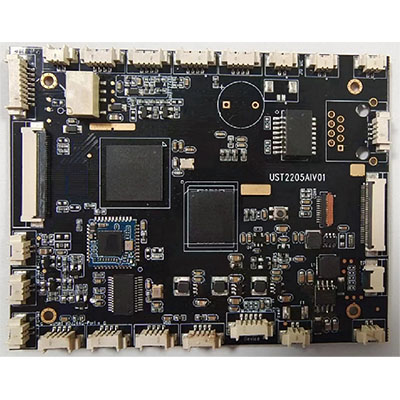
1. Bus Fare Collection Hardware

The physical interface responsible for capturing credentials and processing transactions:

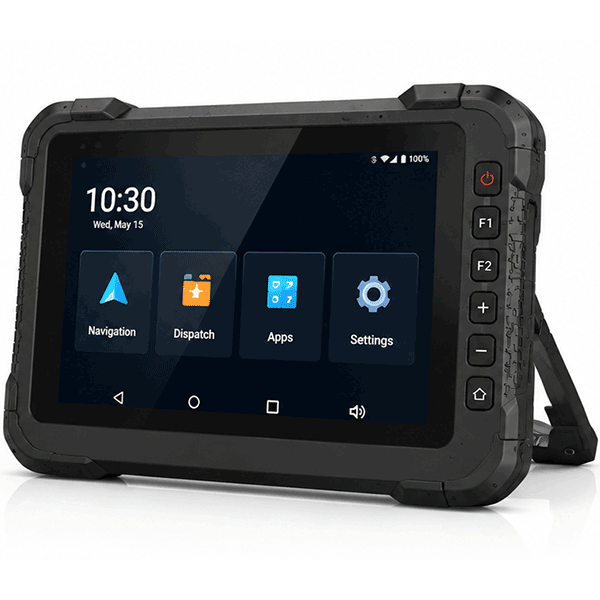
  • On-board Fare Collection Machine: Durable, compact, and central to the system.
  • NFC Card Reading Module: Reads smart transit cards, bank cards, and NFC-enabled phones.
  • QR Code Scanning Module: High-speed scanner for mobile app payments.
  • Touch Screen Interface: Displays fare info, payment status, and error messages.
  • Voice Prompt Module: Provides multi-language audio feedback to ensure clarity.

2. Software & Payment System

The "engine" responsible for transaction processing and security:

  • Ticketing Management Software: Manages fare rules, card issuance, and customizable policies.
  • Secure Payment Interfaces: Compliant connections (EMV, PCI DSS) to banks and wallet providers.
  • Centralized Data Platform: Ensures data integrity for analytics and reporting.
  • API Interfaces: Allows integration with city traffic management, dispatch systems, and mobile apps.

3. Cloud Management Platform

A web-based system for remote monitoring and optimization:

  • Real-Time Vehicle Data: Live tracking of location, speed, and passenger load.
  • Route Analytics: Detailed insights into passenger flow to optimize stops and schedules.
  • Revenue Analysis: Breakdown of earnings by route, method, and time.
  • Device Status Monitoring: Remote alerts for connectivity or battery issues, supporting over-the-air (OTA) firmware updates.


Key Features of Custom OEM Solutions

Off-the-shelf solutions often fail to meet unique operational needs. Custom OEM bus fare collection solutions offer the flexibility, scalability, and integration capabilities required by modern operators.

🌐 Multi-Payment Integration

Tailored to local preferences, supporting NFC, EMV cards, local QR code apps, and international wallets. Solutions can be optimized for tourist-heavy areas (international payments) or high-smartphone-penetration cities (QR priority).

📡 Real-Time Connectivity

Designed for reliability even in poor network zones, supporting 4G/5G, WiFi, and GPS. This ensures instant synchronization of transaction and passenger flow data for real-time decision-making.

🏭 Industrial-Grade Hardware

Built to withstand harsh bus environments (vibration, extreme temperatures, dust):

  • Shock & Temperature Resistance: Ensures 24/7 operation in all climates.
  • Custom Form Factors: Adaptable mounting styles (dashboard, wall-mounted) and display sizes.
  • Energy Efficiency: Optimized power consumption for extended battery life.

🔌 API & SDK Integration

Open architecture allows seamless integration with:

  • City traffic management systems.
  • Mobile transit apps (e.g., "Real-Time Bus" apps).
  • Third-party payment platforms.
  • Fleet management systems.
  • Example: Integration with local apps allows passengers to check bus locations and purchase tickets in advance.


Application Scenarios

Smart fare collection systems are versatile across various transport models:

  • City Bus Networks: Handles high commuter volumes, reduces boarding time, and supports complex fare policies (zone-based, transfer discounts). Case Study: Wuhan, China, utilizes QR code scanning for seamless discounts.
  • BRT (Bus Rapid Transit): Supports off-board ticketing and rapid on-board validation to maintain speed and reliability on dedicated lanes.
  • Campus Transportation: Integrates with student ID cards, offers student discounts, and restricts access to authorized personnel.
  • Corporate Shuttle Buses: Restricts access via employee IDs, tracks commuting patterns, and provides real-time shuttle tracking for employees.
  • Tourism Transport: Supports mobile wallets and international payments for tourists. Enables multi-day passes and integrates with local tourism platforms for combined attraction/transport tickets. Case Study: Hangzhou and Chengdu integrate transport with scenic spot ticketing.


Benefits for Public Transport Operators

Implementing a custom OEM smart fare collection system delivers tangible ROI:

  1. Improved Efficiency: Transactions processed in seconds reduce peak-hour queues. Example: Shanghai's contactless rail implementation increased peak efficiency by over 30%.
  2. Reduced Cash Risks: Minimizes theft, loss, and reconciliation errors. Digital trails provide clear audit capabilities.
  3. Data-Driven Operations: Real-time insights into passenger flow allow for dynamic schedule adjustments. Example: Operators in Xinshao, Hunan, use data to adjust departure intervals during holidays, reducing wait times.
  4. Lower Operational Costs: Automates ticketing, reducing labor costs. Predictive maintenance based on device data minimizes downtime and fuel consumption through optimized routing.


How to Choose a Bus Ticketing Machine Manufacturer

Selecting the right partner is critical. Consider these four factors:

1. Hardware Development Capabilities

Look for manufacturers experienced in producing automotive-grade (vehicle-standard) hardware. They must use durable components (shock-resistant screens, reliable NFC modules) and offer customization for specific bus models. Verify their production capacity and track record.

2. Software Platform Strength

The manufacturer must provide a scalable, secure backend with real-time analytics and customizable fare policies. Ensure compliance with standards like PCI DSS and the availability of regular security updates. Open API/SDK support is essential for future integrations.

3. Customization Expertise (OEM/ODM)

Avoid rigid, off-the-shelf vendors. Choose a partner capable of tailoring hardware design, software logic, and payment integrations to your specific demographic and operational goals. Request case studies of previous custom deployments.

4. Overseas Project Experience

For international deployments, select a manufacturer familiar with local regulations (data privacy, payment standards) and cultural preferences. A global support network ensures timely after-sales service and technical assistance.


Future Trends in Smart Public Transport Payment

The industry is evolving toward greater convenience and intelligence:

  • Cashless Transportation: The gradual phase-out of cash in favor of digital wallets, contactless cards, and biometric authentication (e.g., facial recognition). Trend: "Face-swiping" for touchless payment is already emerging in cities like Xinshao, enabling "senseless passage."
  • Unified Urban Payment Systems: Single payment ecosystems working across buses, subways, ferries, and even parking or bike-sharing. This creates a seamless, multi-modal travel experience.
  • AI-Powered Data Scheduling: Using Artificial Intelligence to analyze passenger flow and traffic conditions, optimizing bus frequencies and route planning dynamically. AI also helps detect fraudulent transactions.
  • Mobility as a Service (MaaS): Integrating all transport modes into a single app with unified payment. Smart fare collection systems will be the backbone of MaaS, enabling one-click journeys across different providers.


Smart bus fare collection machines are no longer just ticketing devices; they are the enablers of a smarter, more efficient public transport ecosystem. By addressing the inefficiencies of manual collection, they empower operators to build customer-centric networks.


Custom OEM solutions offer the distinct advantage of tailoring hardware, software, and payment integrations to specific needs—whether for city buses, BRT, campuses, or tourism. From industrial-grade durability to real-time data insights, these solutions drive operational excellence.


As the industry moves toward cashless travel, unified payments, and AI-driven operations, choosing the right manufacturer—one with strong R&D, customization expertise, and global experience—is the key to future-proofing your public transport system. Embrace the digital transformation today to build the sustainable, efficient cities of tomorrow.


Recommended products
Read More >>
Contact Us ×
WhatsApp
Wechat / message

Start WhatsApp instant communication

Start chatting
Can't see the picture clearly? Click to retrieve the verification code again