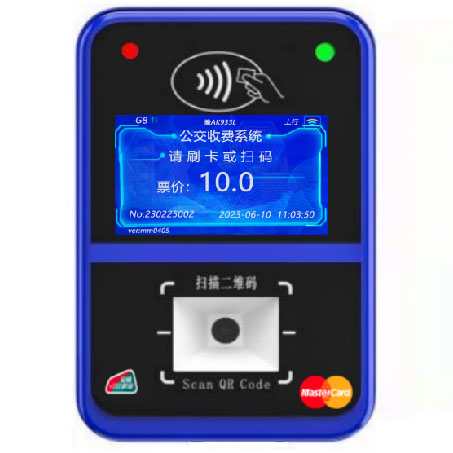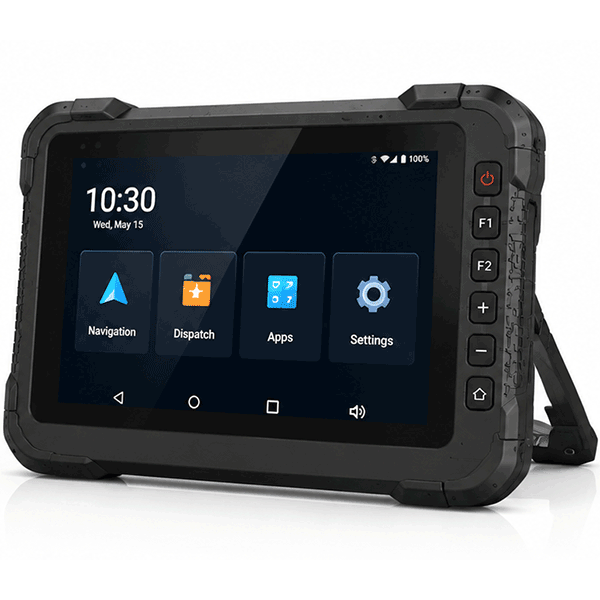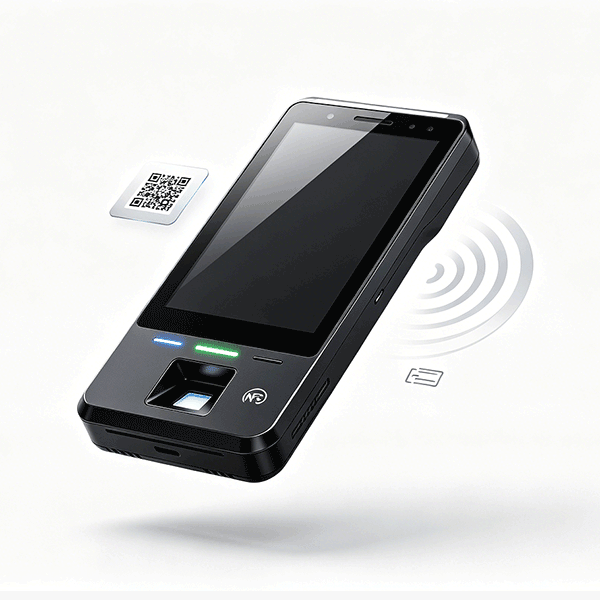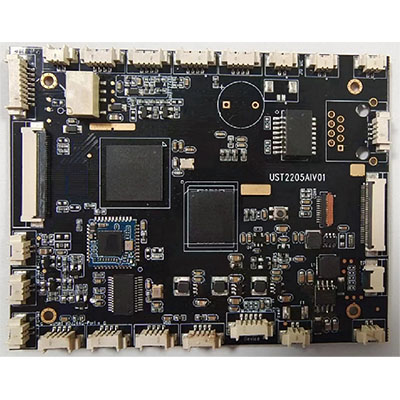
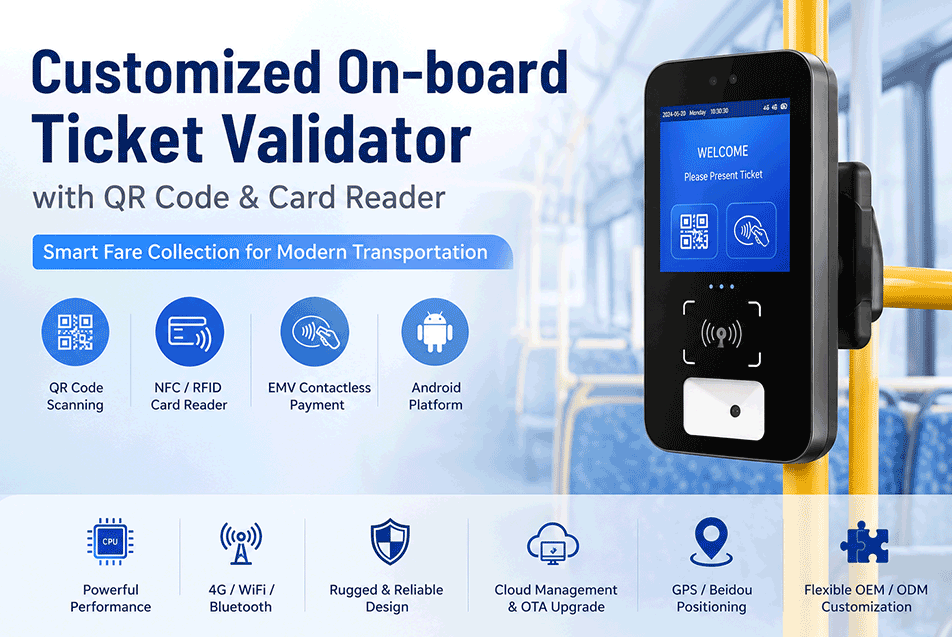
Public transportation operators, fleet managers, and access control integrators face a common challenge: choosing hardware that is reliable enough for 24/7 field deployment, flexible enough to support multiple payment and identification methods, and cost-effective enough to scale across hundreds or thousands of units. Bus ticket validators and access readers sit at the center of this challenge — they are the physical touchpoint between passengers, employees, or visitors and the backend fare collection or security system.
This guide breaks down exactly what to evaluate before purchasing or sourcing bus ticket validators and access readers, so you can make a decision that holds up in real-world transit and access control environments.
A bus ticket validator is an onboard or gate-mounted terminal that reads, verifies, and processes a passenger's fare credential — a contactless card, QR code, NFC-enabled smartphone, or EMV bank card — and communicates that transaction to a central fare management platform. Modern validators double as AIoT smart terminals, combining payment processing, connectivity, GPS tracking, and sometimes passenger counting into a single industrial-grade device.
An access reader performs a similar function in a different context: verifying credentials (RFID cards, biometric data, mobile credentials, or QR codes) at entry points such as office buildings, campuses, transit gates, or industrial facilities. In transit environments, access readers and bus ticket validators increasingly share the same underlying hardware platform — an industrial Android mainboard capable of running fare validation, access control, and reporting software on a single device.

Buses and access gates operate in harsh conditions: vibration, temperature swings, dust, and constant power cycling. Consumer-grade tablets or readers fail quickly under these conditions. Look for devices built on an industrial Android mainboard with wide operating temperature ranges, reinforced connectors, and IP-rated housings designed for outdoor or vehicle-mounted use.
A future-proof validator or reader should support:
Devices with modular hardware architecture make it easier to add or swap payment modules as fare collection standards evolve, without redesigning the entire terminal.
Fare and access data needs to reach the backend system quickly and reliably. Evaluate:
Because most modern validators run on customized Android platforms, the ability to tailor the operating system, UI, and application layer matters as much as the physical hardware. Operators should be able to:
Payment and access data are sensitive. Look for hardware-level encryption, secure elements for key storage, and compliance with relevant payment security standards (PCI-adjacent practices for EMV transactions) as well as tamper-evident housing design.
Depending on your market, validators and readers may need certifications such as CE, FCC, RoHS, or transit-specific payment scheme approvals. Confirm certification coverage before committing to a supplier, especially for cross-border deployments.
Off-the-shelf devices rarely fit every fleet or facility perfectly. Buyers should assess a supplier's ability to provide:
Transit and access control projects often run for years, requiring consistent component sourcing and firmware support well beyond the initial deployment. A supplier with a mature, stable supply chain reduces the risk of mid-project component shortages or discontinued platforms.
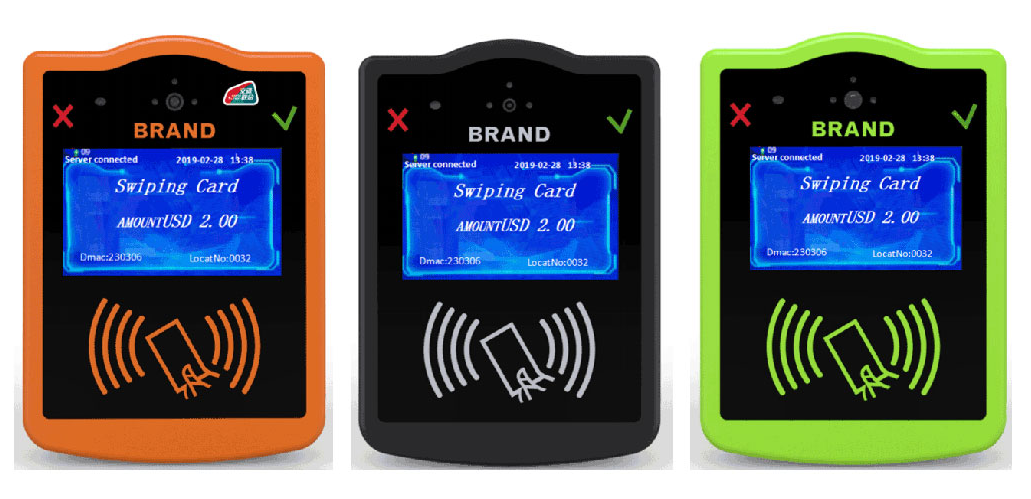
| Use Case | Recommended Device Type | Key Requirements |
|---|---|---|
| Onboard bus fare collection | Vehicle-mounted validator terminal | GPS, 4G/5G, vibration resistance, EMV/NFC/QR support |
| Gate or turnstile access | Wall/gate-mounted access reader | Fast read speed, weatherproof housing, RFID/QR/biometric options |
| Fleet-wide fare + access hybrid | Unified Android smart terminal | Modular payment modules, centralized backend integration |
Many buyers default to generic PCBA factories, which can produce a board but rarely support the full product lifecycle: Android OS customization, UI/UX design, industrial housing, embedded software, and mass production quality control. For a device that must run reliably for years in transit or access control environments, a one-stop industrial Android platform and AIoT terminal partner is a safer path than stitching together multiple vendors.
This is where YunBlaze Technologies fits in.
YunBlaze Technologies is a high-tech enterprise based in Shenzhen — China's global hub for electronics and intelligent hardware — specializing in Industrial Android mainboard development, embedded hardware design, AIoT intelligent terminals, and OEM/ODM manufacturing services. With over 15 years of experience in electronic product development and intelligent hardware manufacturing, YunBlaze helps global customers turn ideas into reliable commercial products through end-to-end hardware and software solutions.
For transit and access control applications specifically, YunBlaze's core capabilities include:
YunBlaze's comprehensive customization capabilities cover PCB & PCBA custom development, Android OS customization, UI/UX interface design, logo and brand customization, mechanical structure and housing design, embedded software development, and application development support — all under one engineering team, which shortens development cycles and reduces integration risk for fare collection and access control programs.
Beyond public transportation fare collection, YunBlaze's Industrial Android platforms are deployed across fleet management, AI vision systems, self-service kiosks, smart retail devices, industrial automation, warehouse robotics, and medical equipment — giving transit and access control buyers the added confidence of a manufacturer with proven experience across demanding, mission-critical industries.
What is the difference between a bus ticket validator and a standard POS terminal? A bus ticket validator is purpose-built for transit environments — vibration-resistant, GPS-enabled, and optimized for fast tap-and-go transactions — while a standard POS terminal is typically designed for stationary retail counters without vehicle-grade durability.
Can one device handle both fare validation and access control? Yes. Because both functions rely on similar credential-reading hardware (NFC, QR, RFID) running on an Android platform, a unified industrial Android terminal can be configured for fare validation, gate access control, or both, depending on software configuration.
What is the typical MOQ for custom bus ticket validators? MOQ varies by supplier and level of customization. Manufacturers offering flexible low-MOQ support allow operators to pilot a small batch before committing to full-scale production.
Why choose an OEM/ODM manufacturer instead of buying off-the-shelf devices? OEM/ODM partners can tailor hardware, OS, UI, and housing to match specific fare systems, branding, and regulatory requirements — something off-the-shelf devices generally cannot accommodate.
Choosing the right bus ticket validator or access reader is less about picking a single feature and more about selecting a manufacturing partner who can deliver reliable industrial-grade hardware, flexible software customization, and long-term supply chain support. Evaluating potential suppliers against the criteria above — durability, payment flexibility, connectivity, security, certification, and customization capability — will help transit operators and access control integrators avoid costly hardware failures and vendor lock-in down the line.