Large-scale events — music festivals, sports matches, exhibitions, and theme parks — all share the same operational headache: how to move thousands of attendees through the gates quickly, securely, and without losing track of who's actually inside. Manual ticket checking creates long queues, invites ticket fraud, and leaves organizers with almost no real-time visibility into visitor flow.
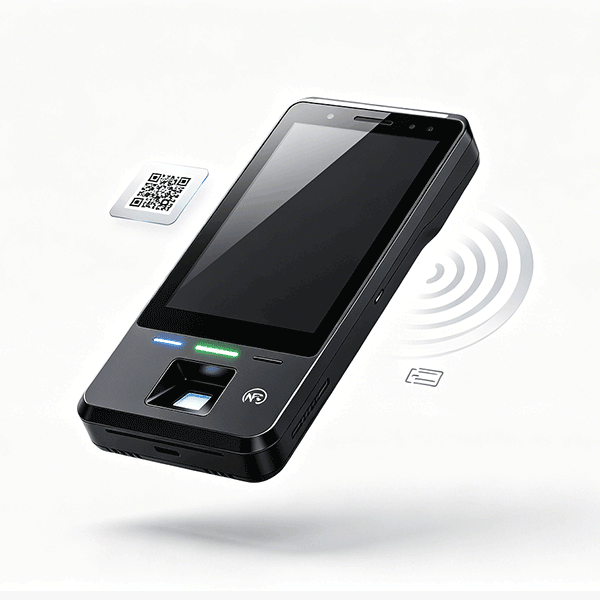
RFID-based access control solves this. By replacing paper tickets and manual checks with RFID wristbands, NFC cards, or QR-enabled credentials read by dedicated validation terminals, event organizers get fast entry verification, cashless payment support, and real-time attendance data — all from a single hardware platform.
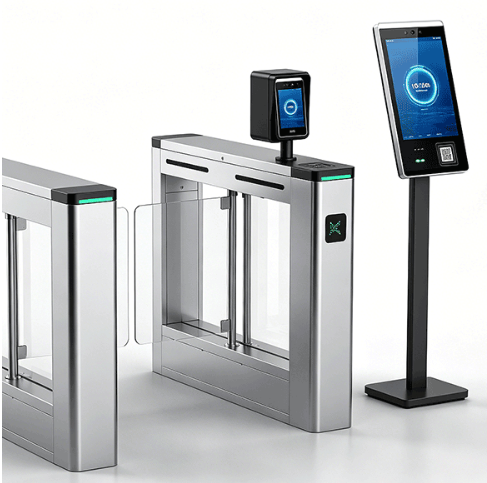
This article breaks down how RFID festival access control systems work, why more event organizers and system integrators are adopting them, and what to look for in a hardware manufacturing partner.
An RFID festival access control system is made up of four core components working together:
The typical attendee flow looks like this:
Online Ticket Purchase
        ↓
RFID Wristband Issuing
        ↓
RFID Scanning at Entry
        ↓
Access Authorization
        ↓
Real-Time Attendance Data
This same architecture scales from a single-day music festival to a multi-gate stadium event or a permanent theme park installation.
RFID scanning takes a fraction of a second compared to manual ticket inspection, which dramatically cuts queue times at peak entry hours — critical for festivals with tens of thousands of attendees arriving in a short window.
Each RFID credential is tied to a unique ID that can be validated against the backend in real time, making duplicated or counterfeit tickets far easier to detect than with printed passes.
Beyond entry, RFID wristbands double as cashless payment tokens for food, drinks, and merchandise, and can unlock VIP or backstage zones automatically — removing friction throughout the entire event.
Every scan generates data: visitor flow by gate, peak arrival times, re-entry patterns, and stage attendance. Organizers can use this to plan staffing, safety measures, and future events.
RFID access control isn't limited to music festivals — the same hardware platform serves several adjacent markets:
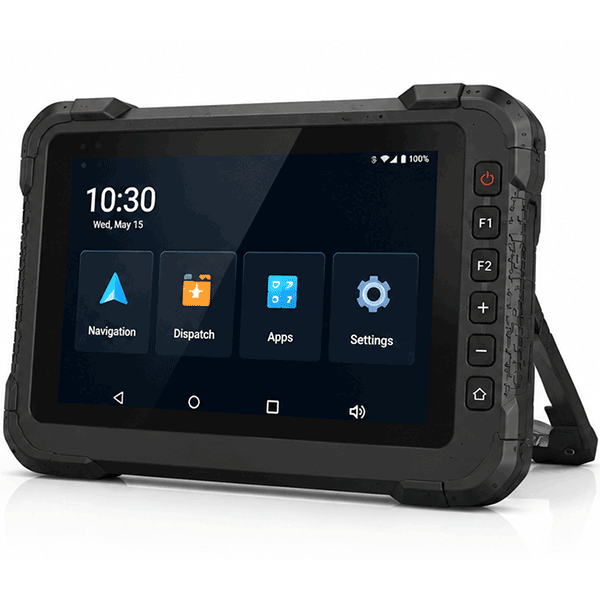
A modern RFID ticket validation terminal is built around an industrial Android platform, typically including:
This is where the choice of hardware partner matters. A terminal designed for indoor retail use won't hold up to a three-day outdoor festival, and generic off-the-shelf devices rarely offer the SDK-level integration event software providers need.
Most organizations searching for this kind of solution aren't looking for a fixed, off-the-shelf product — they're event technology providers, access control integrators, or ticketing software companies who need hardware that fits their platform. For that, a custom development partner matters more than a catalog supplier. Key capabilities to look for:
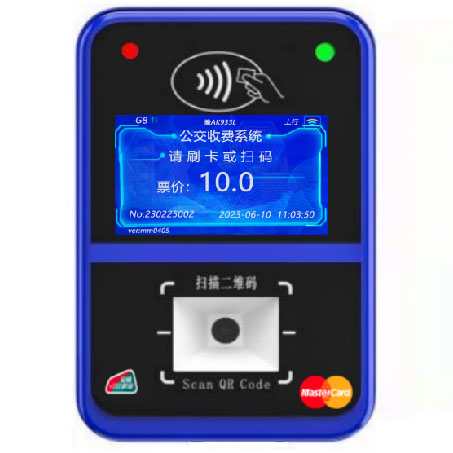
This is exactly the space YunBlaze Technologies operates in. As an Industrial Android Platform & AIoT Smart Terminal Solution Provider based in Shenzhen, YunBlaze has spent 15+ years developing industrial Android mainboards, embedded hardware, and AIoT terminals for global customers — including smart payment terminals and bus fare collection / payment terminals that share the same core RFID validation architecture needed for festival and event access control.
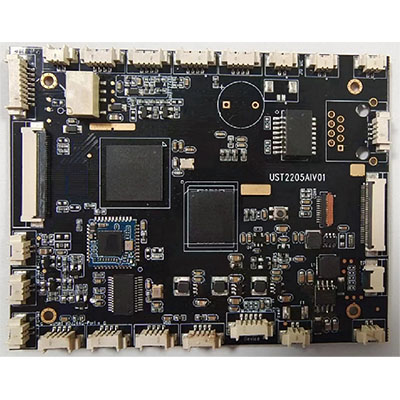
Rather than acting as a traditional PCBA factory, YunBlaze offers a full one-stop development ecosystem — from Industrial Android mainboard customization and PCB/PCBA design, through Android OS customization, UI/UX design, mechanical structure and housing design, to embedded software development and application support. That covers everything an event technology company needs to turn a validation concept into a manufacturable product, under its own brand, through complete OEM/ODM manufacturing services.
When evaluating a hardware manufacturing partner for RFID ticket validation terminals, event technology companies and integrators should weigh:
YunBlaze's combination of strong Android embedded development, industrial-grade hardware reliability, rapid prototyping, flexible low-MOQ support, and a stable long-term supply chain out of Shenzhen addresses each of these directly.
RFID festival access control and ticket validation systems are becoming the standard for large events precisely because they solve queue times, fraud risk, and data visibility all at once — and the same underlying hardware platform extends naturally into stadiums, exhibitions, theme parks, and public transportation fare collection.
Looking for a customized RFID festival access control terminal or event ticket validator built around your own software and brand? YunBlaze offers OEM/ODM development, custom hardware design, and rapid prototyping to help event technology providers and system integrators bring their solution to market faster.
YunBlaze Technologies Empowering Intelligent Hardware, Accelerating AIoT Innovation. www.yunblaze.com