1. Market Dynamics: Why Demand for Electrotherapy Is
Surging
The global landscape for TENS and EMS devices is undergoing
rapid expansion, driven by a convergence of demographic shifts, technological
advancements, and changing consumer behaviors. For B2B buyers, this represents
a lucrative opportunity in the wholesale sector.
Key Growth Drivers
-
Robust Market Expansion: The global physiotherapy equipment sector is on a steady
upward trajectory. Industry projections indicate significant growth over
the next decade, with electrotherapy devices serving as a primary
catalyst. This growth is fueled by the increasing adoption of drug-free,
non-invasive pain relief solutions.
-
The Rise of Home Healthcare: Accelerated by global health awareness, there has been a
marked shift toward home-based medical solutions. Data suggests a
substantial increase in demand for portable electrotherapy units,
particularly in North America and Europe. Consumers increasingly prefer
managing chronic conditions and recovering from injuries at home, reducing
reliance on frequent clinical visits.
-
Chronic Pain Prevalence: With the World Health Organization (WHO) estimating that
billions suffer from musculoskeletal conditions globally, the need for
accessible pain management tools like TENS units has never been higher.
Conditions such as arthritis, back pain, and neuralgia drive consistent
demand.
-
Sports & Fitness Recovery: The intersection of athletics and technology has opened new
avenues. Athletes and fitness enthusiasts now routinely use EMS and TENS
devices for muscle recovery, soreness reduction, and performance
enhancement, creating a high-growth segment for sports-focused wholesale
buyers.
2. Product Fundamentals: Understanding TENS Technology
To make informed sourcing decisions, B2B buyers must grasp
the core mechanics and value propositions of TENS technology.
How TENS Works
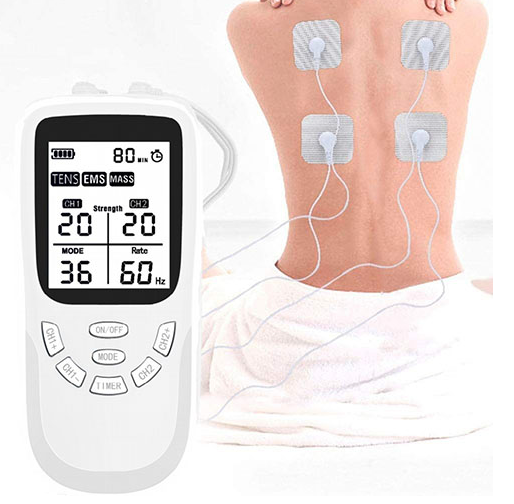
A TENS unit is a compact, battery-operated device that
delivers low-voltage electrical impulses via electrode pads placed on the skin.
These impulses serve two primary functions:
-
Gate Control Theory: They interfere with pain signals traveling to the brain,
effectively "blocking" the sensation of pain.
-
Endorphin Release: They stimulate the body’s natural production of endorphins,
providing chemical pain relief.
Core Benefits for End-Users
-
Drug-Free Relief: A safe alternative to opioids and NSAIDs for managing acute
and chronic pain.
-
Non-Invasive: Minimal side effects and no recovery time required.
-
Versatility: Effective for a wide range of conditions, from post-surgical
recovery to fibromyalgia management.
Primary Application Scenarios
-
Clinical Settings: Used by physiotherapists as part of structured rehabilitation
plans.
-
Home Care: Empowers patients to manage daily pain independently.
-
Sports Medicine: Accelerates muscle recovery and prevents injury in athletic
populations.
-
Long-Term Care: Enhances mobility and comfort for elderly residents in
assisted living facilities.
3. TENS vs. EMS: Clarifying the Distinction
Confusion between TENS and EMS is common. While both
utilize electrical stimulation, their therapeutic goals differ significantly.
|
Feature
|
TENS (Nerve Stimulation)
|
EMS (Muscle Stimulation)
|
Combined TENS + EMS
|
|
Primary Target
|
Nervous System
|
Muscle Tissue
|
Both
|
|
Main Function
|
Pain Relief & Nerve Desensitization
|
Muscle Contraction & Strengthening
|
Dual-Action Therapy
|
|
Ideal For
|
Arthritis, Back Pain, Neuralgia
|
Atrophy, Rehab, Athletic Training
|
Comprehensive Recovery
|
|
Target Buyer
|
Pain Clinics, Home Care Distributors
|
Sports Brands, Rehab Centers
|
General Retail, Multi-Use Markets
|
Strategic
Insight: The market is increasingly favoring Combined TENS + EMS devices.
These multi-mode units offer greater versatility, allowing B2B buyers to
address multiple customer segments with a single SKU, thereby optimizing
inventory and sales potential.
4. Critical Sourcing Criteria: What B2B Buyers Must
Evaluate
When selecting a wholesale partner, prioritize suppliers
who excel in the following four areas:
A. Regulatory Compliance & Certifications
Safety and legality are non-negotiable. Ensure your
supplier holds:
-
FDA 510(k) Clearance: Mandatory for the U.S. market.
-
CE Marking: Required for distribution within the European Union.
-
ISO 13485: The gold standard for medical device quality management
systems.
-
Warning: Avoid suppliers lacking these credentials to prevent customs
seizures and liability issues.
B. Customization Capabilities (OEM/ODM)
For brand owners (Amazon/Shopify/DTC), differentiation is
key. Look for manufacturers offering:
-
Private Labeling: Custom logos, colors, and UI design.
-
Packaging Solutions: Branded boxes, manuals, and inserts.
-
Feature Tailoring: Custom firmware for specific therapy modes or app
integrations.
C. Technical Specifications
End-users demand high performance. Prioritize devices
featuring:
-
Multiple Modes: Diverse pre-set programs for varied conditions.
-
Rechargeable Power: Long-life lithium-ion batteries for convenience.
-
Portability: Ultra-lightweight designs (e.g., under 150g) for on-the-go
use.
-
Intuitive Interfaces: Clear LCD/OLED displays for easy operation.
D. Smart Connectivity
The future is connected. Suppliers offering Bluetooth-enabled devices with companion apps provide a significant competitive advantage. Features like
progress tracking, remote control, and personalized therapy plans appeal
strongly to tech-savvy consumers.
5. Target Audience: Who Is Buying in Bulk?
Understanding your competition and peers helps refine your
sourcing strategy. The primary bulk buyers include:
-
Medical Distributors: Supplying hospitals and clinics; they prioritize
clinical-grade certification and after-sales support.
-
Physiotherapy Clinics: Seeking durable, user-friendly devices for daily patient
treatment.
-
E-commerce Brand Owners: Focusing on aesthetic design, private label options, and low
MOQs to test markets quickly.
-
Sports & Fitness Brands: Looking for sleek, high-performance EMS/TENS combos that align
with an active lifestyle.
6. The China Advantage: Why Source from Chinese
Manufacturers?
China has emerged as the global hub for electrotherapy
manufacturing, offering distinct advantages:
-
Mature Supply Chain: Access to high-quality components and streamlined logistics
ensures consistent production and timely delivery.
-
Cost Efficiency: Competitive manufacturing costs allow for higher profit
margins without sacrificing quality.
-
Flexible OEM/ODM: Chinese manufacturers are adept at rapid customization, from
mold design to firmware updates.
-
Speed to Market: Efficient production lines enable faster turnaround times,
crucial for responding to trending demands.
Note:
Reputable manufacturers often hold dual certifications (e.g., FDA & CE) and
have established export networks to the US, EU, and Japan.
7. Supplier Vetting Checklist
Before signing a contract, conduct a thorough evaluation:
-
Factory Audit: Verify ISO certifications and request evidence of compliance.
-
R&D Strength: Assess their ability to innovate in hardware (battery life,
ergonomics) and software (app integration).
-
Compliance Record: Confirm adherence to target market regulations (FDA, CE, PSE).
-
MOQ & Pricing Structure: Ensure minimum order quantities align with your budget and
that bulk pricing offers viable margins.
-
Sample Testing: Always request samples to test build quality, signal
consistency, and user interface before mass ordering.
8. Private Label Opportunities
The private label market is exploding, offering a pathway
to brand ownership.
-
Market Potential: The global private label sector is expanding rapidly, with
health and wellness categories seeing double-digit growth.
-
Strategy for Success:
-
Niche Focus: Target specific segments like "Travel-Friendly
TENS" or "Pro-Athlete EMS."
-
Brand Storytelling: Use custom packaging and manuals to build trust and loyalty.
-
Data-Driven Design: Leverage market data to create products that solve specific
user pain points.
9. Future Trends: Where the Market Is Heading
Stay ahead of the curve by sourcing products aligned with
these emerging trends:
-
Wearable Electrotherapy: Discreet, patch-like devices and smart sleeves that allow for
continuous, invisible therapy.
-
AI-Driven Personalization: Devices that analyze user data to automatically adjust
intensity and frequency for optimal results.
-
App Ecosystems: Deep integration with health apps for holistic tracking,
virtual coaching, and community support.
-
Multi-Metric Monitoring: Next-gen devices incorporating biometric sensors to track
heart rate, muscle activity, and stress levels alongside therapy.
10. Conclusion
The wholesale market for TENS and EMS devices offers
immense potential for B2B buyers willing to navigate it strategically. Success
hinges on three pillars:
-
Understanding the Market: Recognizing the shift toward home care and sports recovery.
-
Choosing the Right Partner: Selecting a certified, flexible manufacturer (often based in
China) that aligns with your brand values.
-
Embracing Innovation: Leveraging private labeling and smart technology to
differentiate your product line.
By prioritizing quality, compliance, and forward-thinking
features, you can build a resilient business capable of thriving in the
evolving global health landscape. Whether you are launching a new DTC brand or
expanding a medical distribution portfolio, the right electrotherapy partner is
your gateway to long-term growth.