In high-stakes environments like live events, secure venues, and urban transit networks, the entry point dictates the entire user experience. A bottleneck at the gate doesn't just frustrate attendees; it impacts revenue, security, and operational efficiency. For event organizers, system integrators, and transit authorities, selecting the right ticket validation hardware is a critical infrastructure decision. But how do you ensure your investment balances speed, security, rugged durability, and seamless software integration?
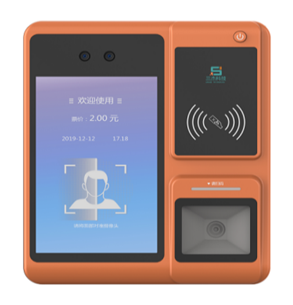
The Non-Negotiable: Offline Resilience and Real-Time Feedback
The most common failure point in access control is network dependency. Venues with thousands of concurrent users often experience severe network congestion. Top-tier hardware must be capable of caching credentials locally to perform instant, offline verification when the internet drops, and seamlessly sync data once the connection is restored.
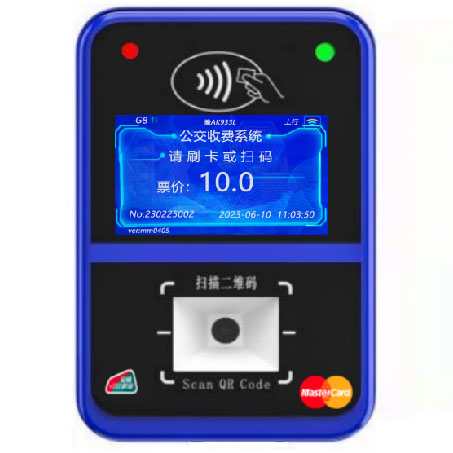
Furthermore, the device must provide unambiguous visual and audio feedback. Clear LED indicators and distinct speaker tones allow operators to process guests rapidly without constantly staring at a screen. For transit applications, this includes customizable voice prompts that can be updated remotely, significantly reducing queue times and enhancing passenger flow.
Hardware Specifications That Drive Performance
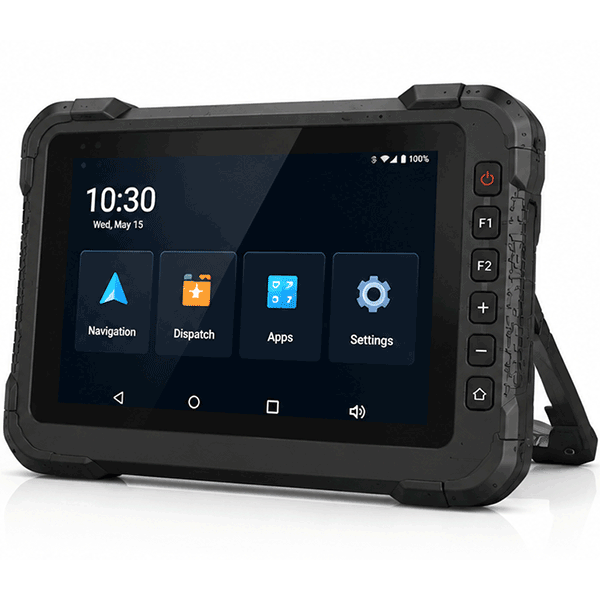
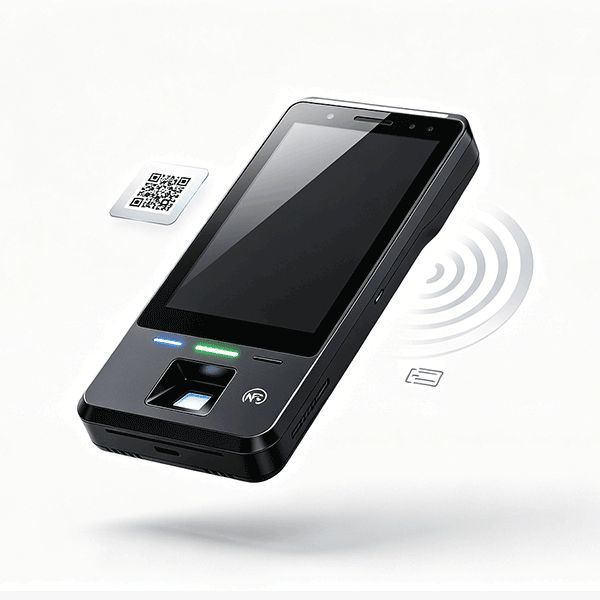
When sourcing validators, technical specifications dictate the user experience. Look for devices engineered for high throughput and harsh conditions:
Seamless Integration and Customization
Hardware is only as good as the software it runs. For custom ticketing platforms, the validator must act as an open platform. Key integration requirements include support for custom Android APK installations, Over-The-Air (OTA) updates, and Mobile Device Management (MDM) for remote fleet monitoring.
Comprehensive SDKs and well-documented APIs are crucial for developers to build custom logic. Crucially, the hardware should feature integrated I/O relay drivers, allowing the terminal to directly trigger turnstiles, gates, or access control mechanisms. Hardware customization options—such as custom shell colors, branding, and specialized mounting brackets—allow the device to blend perfectly into your venue's aesthetic and operational workflow.
Global Compliance and Lifecycle Support
Sourcing hardware for international deployments requires strict adherence to regional regulations. Whether deploying in the Middle East, Europe, or North America, verifying that the equipment carries necessary local certifications (such as FCC, CE, or SABER) and export documentation is vital to avoid customs delays.
Beyond compliance, partner with manufacturers who offer transparent lifecycle support. This includes clear warranty terms, streamlined RMA processes, guaranteed spare parts availability, and a defined product lifecycle (ideally 10-15 years for transit infrastructure). Knowing that your hardware will be supported for years to come protects your long-term ROI.
Choosing the right access control hardware requires looking beyond the price tag. By prioritizing offline resilience, industrial durability, open integration capabilities, and global compliance, organizers and transit authorities can guarantee a frictionless entry experience. Partnering with a supplier who understands these technical and commercial nuances ensures your next event or transit rollout runs smoothly from the very first scan.