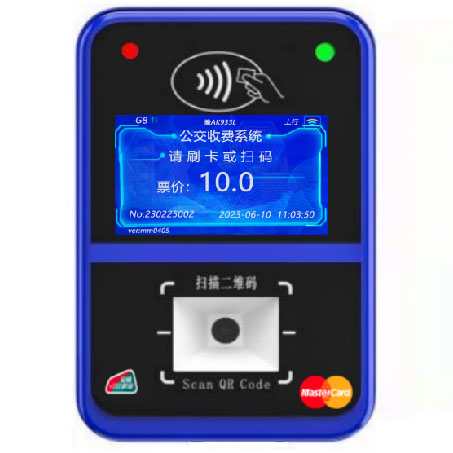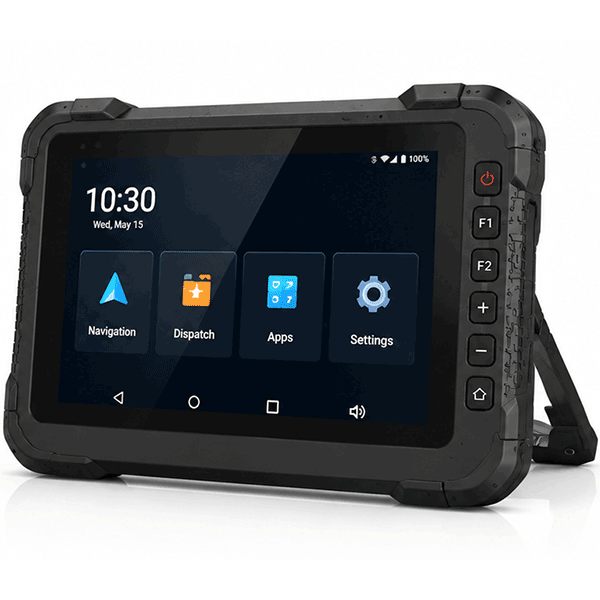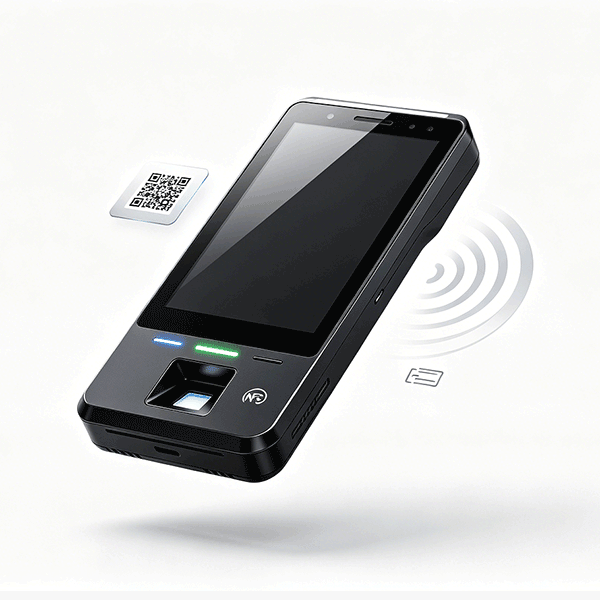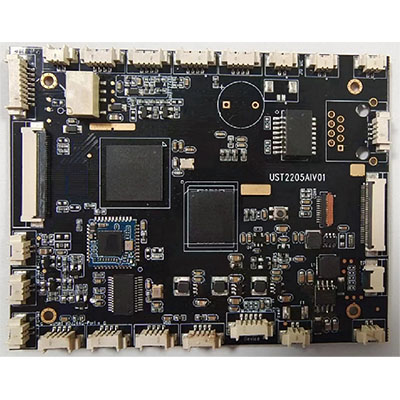
The global public transport payment market is projected to reach $12.8 billion by 2028, with contactless and QR code solutions leading the transformation. As cities worldwide embrace cashless ecosystems, public transport operators face increasing pressure to modernize their fare collection systems. This comprehensive guide explores everything transport authorities, bus operators, and mobility companies need to know about implementing smart bus payment systems in 2026.
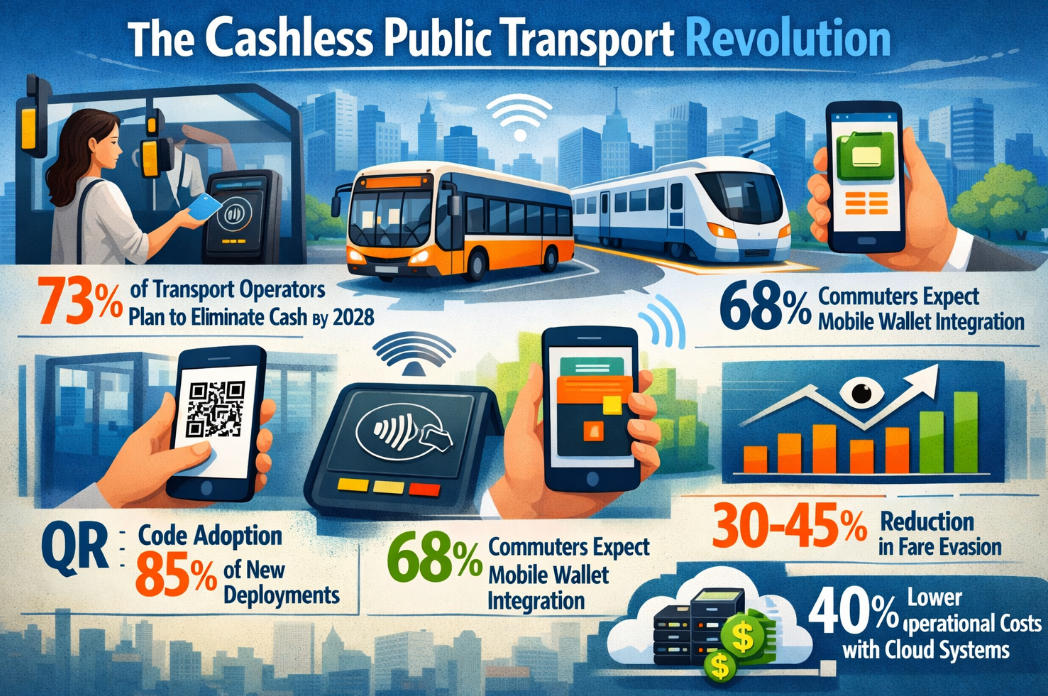
The shift away from cash payments in public transport is accelerating globally:
· 73% of public transport operators plan to eliminate cash by 2028
· Contactless payments grew 156% in public transport since 2020
· QR code adoption in emerging markets exceeds 85% of new deployments
· Mobile wallet integration now expected by 68% of commuters
· Real-time data analytics reducing fare evasion by 30-45%
· Cloud-based backend systems cutting operational costs by 40%
|
Region |
Cashless Adoption 2026 |
Growth Driver |
|
Southeast Asia |
78% |
Mobile wallet penetration |
|
Africa |
65% |
Cost-effective QR solutions |
|
Europe |
92% |
Contactless card mandates |
|
Latin America |
71% |
Government digitalization initiatives |
|
Middle East |
83% |
Smart city investments |
· Technology: 2D barcode scanned by terminal
· Sources: Mobile apps, e-wallets, printed tickets
· Cost: $0.02-0.05 per transaction (lowest)
· Adoption Time: 2-4 weeks for deployment
· Best For: Emerging markets, cost-sensitive projects
· Examples: Alipay, WeChat Pay, GrabPay, GCash
Advantage: Lowest infrastructure cost, highest accessibility in developing markets
· Technology: Near Field Communication (13.56 MHz)
· Sources: Contactless cards, smartphones, wearables
· Cost: $0.08-0.15 per transaction
· Adoption Time: 4-8 weeks for deployment
· Best For: Developed markets, high-speed transit
· Examples: Visa payWave, Mastercard Contactless, Apple Pay
Advantage: Fastest tap-and-go experience, premium user perception
· Technology: RFID chips (Mifare, DESFire)
· Sources: Dedicated transit cards
· Cost: $0.05-0.10 per transaction + card issuance
· Adoption Time: 8-16 weeks (requires card program)
· Best For: Closed-loop systems, subsidized fares
· Examples: Oyster Card (London), Octopus (Hong Kong)
Advantage: Full control over fare policies, subsidy management
|
Factor |
QR Code |
NFC |
Smart Card |
|
Terminal Cost |
$50-150 |
$150-400 |
$100-300 |
|
Transaction Speed |
1-2 seconds |
<0.5 seconds |
<0.5 seconds |
|
Infrastructure |
Minimal |
Moderate |
High |
|
User Accessibility |
95% (smartphones) |
80% |
Requires card |
|
Best Market |
Emerging |
Developed |
Mixed |
A complete smart fare collection system consists of three integrated layers:
· QR Code Scanner: High-speed 2D imager (200+ scans/second)
· NFC Reader: ISO 14443 Type A/B compliant
· Smart Card Reader: Mifare/DESFire support
· Display: 7-10 inch touchscreen for driver/passenger
· Connectivity: 4G/LTE, WiFi, GPS for real-time data
· Power: 12-24V DC vehicle power with backup battery
· Durability: IP65 rating, -20°C to 70°C operating range
· Passenger App: Ticket purchase, QR generation, balance top-up
· Driver App: Route management, fare verification, reporting
· Backend Platform: Transaction processing, user management
· Analytics Dashboard: Ridership, revenue, route optimization
· Integration APIs: Payment gateways, accounting systems
· Cloud Infrastructure: AWS/Azure/GCP deployment options
· Fare Policy Engine: Dynamic pricing, zones, time-based fares
· Settlement System: Daily reconciliation with payment providers
· Customer Support: Refund handling, dispute resolution
· Maintenance: Remote diagnostics, OTA firmware updates
· Security: PCI-DSS compliance, data encryption, fraud detection
YunBlaze specializes in OEM/ODM bus payment terminals designed for global public transport operators:
|
Model |
Payment Methods |
Best For |
|
YB-QR100 |
QR Code only |
Budget deployments, emerging markets |
|
YB-Dual200 |
QR + NFC |
Mixed payment environments |
|
YB-Pro300 |
QR + NFC + Smart Card |
Full-featured transit systems |
|
YB-Custom |
Flexible configuration |
Specialized requirements |
· Multi-Payment Support: QR, NFC, smart card in single device
· Offline Mode: Store-and-forward for connectivity gaps
· Fast Processing: <1 second transaction time
· Rugged Design: IP65 waterproof, dustproof, vibration-resistant
· Remote Management: Cloud-based monitoring and updates
· Customization: Logo, UI, firmware, hardware modifications
· Certifications: CE, FCC, RoHS, EMV-ready options
· White-Label App: Custom-branded passenger mobile application
· Backend Dashboard: Real-time transaction monitoring
· API Integration: Payment gateways, ERP, accounting systems
· Data Analytics: Ridership patterns, revenue reporting
· Multi-Language: 20+ languages for global deployment
· Multi-Currency: Support for local currency and settlement
· Challenge: 2,000+ bus fleet, cash-heavy, fare evasion 25%
· Solution: 2,500 YunBlaze QR terminals + mobile app
· Timeline: 8 weeks deployment
· Results: 89% cashless adoption in 6 months, fare evasion down 42%
· ROI: Payback period 11 months
· Challenge: Fragmented payment systems, no centralized data
· Solution: YunBlaze dual QR+NFC terminals with cloud backend
· Timeline: 12 weeks for 1,500 vehicles
· Results: Unified payment platform, real-time revenue tracking
· Impact: 35% revenue increase through reduced leakage
· Challenge: Aging smart card system, high maintenance costs
· Solution: YunBlaze multi-payment terminals with contactless upgrade
· Timeline: 16 weeks phased rollout
· Results: 60% cost reduction vs. legacy system
· User Satisfaction: 4.6/5 rating from commuters
|
Phase |
Duration |
Activities |
|
Requirements |
1-2 weeks |
Site survey, specification finalization |
|
Hardware Customization |
2-4 weeks |
Logo, firmware, configuration |
|
Software Setup |
2-4 weeks |
App branding, backend configuration |
|
Pilot Deployment |
2-3 weeks |
50-100 units field testing |
|
Full Rollout |
4-8 weeks |
Fleet-wide installation |
|
Training & Support |
Ongoing |
Driver training, technical support |
|
Total |
11-21 weeks |
~3-5 months typical |
5-year TCO comparison for 500-bus fleet:
|
Cost Component |
Cash System |
YunBlaze Smart |
|
Hardware (500 units) |
$0 |
$75,000-150,000 |
|
Cash Handling (annual) |
$180,000 |
$0 |
|
Fare Evasion (annual) |
$250,000 |
$75,000 |
|
Maintenance (annual) |
$50,000 |
$25,000 |
|
Transaction Fees (annual) |
$0 |
$35,000 |
|
5-Year Total |
$2,400,000 |
$575,000-800,000 |
|
Savings |
- |
$1.6-1.8 million |
Key Insight: Smart payment systems typically pay for themselves in 12-18 months
Q: How long does it take to deploy a smart bus payment system?
A: Typical deployment takes 3-5 months from contract to full rollout. YunBlaze can accelerate to 8-12 weeks for standard configurations. Pilot deployments (50-100 units) can begin within 4-6 weeks.
Q: Can the system work without internet connectivity?
A: Yes! YunBlaze terminals support offline mode with store-and-forward functionality. Transactions are cached locally and synced when connectivity is restored. Security is maintained through encrypted transaction tokens.
Q: What payment methods can be supported?
A: YunBlaze terminals support QR codes (Alipay, WeChat, GrabPay, custom), NFC contactless (Visa, Mastercard, Apple Pay, Google Pay), and smart cards (Mifare, DESFire). Multi-payment models allow all methods in one device.
Q: How is fare evasion prevented?
A: Multiple layers: real-time transaction validation, encrypted QR codes, driver verification display, GPS-based geofencing, and backend analytics detecting suspicious patterns. Customers report 30-45% reduction in fare evasion.
Q: What ongoing support is provided?
A: YunBlaze provides 24/7 technical support, remote diagnostics, OTA firmware updates, spare parts availability (5+ years), and on-site training. SLA options include 4-hour response time for critical issues.